
mending wall poem pdf
Overview of Robert Frost’s Mending Wall
Download the Mending Wall PDF for classroom use․ The free PDF contains the full poem‚ annotations‚ and discussion prompts․ It’s ideal for lesson plans‚ revision‚ and research projects․ Accessible online‚ it supports diverse learning styles and encourages critical analysis․ Available in multiple formats!!
Publication History and First Appearance
Robert Frost’s “Mending Wall” first appeared in the literary magazine New Hampshire in the fall of 1914‚ where it was printed as a standalone piece with a brief explanatory note․ The poem’s initial publication was part of a broader collection of Frost’s early work that the magazine was known for promoting regional American voices․ Two years later‚ in 1916‚ the poem was re‑issued in Frost’s acclaimed anthology Mountain Interval‚ where it gained wider recognition and became a staple of American poetry curricula․ The anthology’s publication was a turning point‚ as the poem’s concise dialogue and subtle irony resonated with readers and critics alike‚ prompting frequent inclusion in academic syllabi․ The 1914 edition was limited to a small print run‚ making original copies rare and highly sought after by collectors․ In contrast‚ the 1916 anthology was distributed more broadly‚ leading to the poem’s rapid dissemination across the United States․ Today‚ the text is widely available in digital form; numerous educational platforms host a PDF version that preserves the original line breaks and punctuation․ This PDF format is especially useful for teachers who wish to provide students with a faithful reproduction of the poem for close reading‚ annotation‚ and discussion․ The PDF also includes marginal notes that reference the poem’s historical context‚ helping learners understand its place within Frost’s oeuvre and the broader literary landscape of early twentieth‑century America․ By examining the publication trajectory— from a niche magazine to a celebrated anthology—students gain insight int

Poem Structure and Form
The poem spans 12 lines‚ divided into two quatrains and a concluding couplet․ It follows a loose AABA rhyme scheme‚ with each stanza in iambic tetrameter․ Frost’s use of enjambment and subtle meter shifts creates a conversational rhythm that mirrors the dialogue between neighbors․ It echoes the poem’s theme subtly․
Stanza Count and Rhyme Scheme
The PDF of Robert Frost’s “Mending Wall” is a concise yet richly structured piece‚ comprising exactly twelve lines that are neatly organized into three distinct sections: two quatrains followed by a final couplet․ This arrangement yields a total of three stanzas‚ each serving a specific narrative function․ The first quatrain establishes the setting and introduces the recurring motif of the wall‚ while the second quatrain deepens the dialogue between the two neighbors‚ and the concluding couplet delivers the poem’s memorable refrain․ The rhyme scheme follows a loose AABA pattern within each quatrain‚ with the final couplet employing an AB rhyme that echoes the earlier lines․ In the first quatrain‚ the rhyme pattern is A–B–B–A‚ where the first and last lines share a common end sound that bookends the stanza․ The second quatrain mirrors this structure‚ again using A–B–B–A‚ reinforcing the symmetry of the poem’s form․ The final couplet breaks the pattern slightly‚ using an A–B rhyme that ties the poem together and leaves the reader with a lingering sense of unresolved tension․ This careful orchestration of rhyme and stanza length not only enhances the lyrical quality of the verse but also underscores the thematic tension between human connection and isolation that Frost explores throughout the text․ The PDF format preserves these structural nuances‚ allowing educators and students alike to examine the precise placement of rhyme and stanza boundaries‚ thereby deepening their appreciation of Frost’s craft and the poem’s enduring relevance․ Explore themes of division and unity!OK․
Meter and Prosodic Features
In the PDF version of Frost’s “Mending Wall‚” the meter is predominantly iambic pentameter‚ with occasional variations that signal shifts in tone or emphasis․ Each line typically contains ten syllables‚ arranged in five feet of unstressed–stressed pairs‚ creating a steady rhythmic pulse that mirrors the measured‚ deliberate action of mending a wall․ However‚ Frost deliberately inserts anapestic and trochaic substitutions‚ particularly in the opening line “Something there is that I do not know‚” where the extra unstressed syllable creates a subtle forward momentum‚ hinting at the underlying mystery of the barrier․ The poem’s prosodic texture is further enriched by the use of enjambment‚ which allows the narrative to flow across stanza boundaries without a full stop‚ thereby maintaining the sense of continuity between the neighbors’ dialogue․ The final couplet‚ “And on the last line of the wall‚ I say / He is a man‚ and I am a man‚” uses a caesura in the first line that breaks the regular iambic pattern‚ emphasizing the equality of the two speakers․ This rhythmic disruption underscores the poem’s central theme of human equality versus the artificial division represented by the wall․ The PDF format preserves the original line breaks and spacing‚ enabling readers to hear the metrical patterns aloud and to analyze how subtle deviations from strict iambic pentameter reinforce the poem’s thematic concerns․ By studying the meter‚ students can uncover how Frost’s careful prosodic choices shape the poem’s meaning and emotional impact․ The PDF also offers a downloadable worksheet that prompts students to identify metrical feet‚ compare stanzaic patterns‚ and reflect on how rhythm influences the poem’s emotional resonance Today OK
Central Themes and Motifs
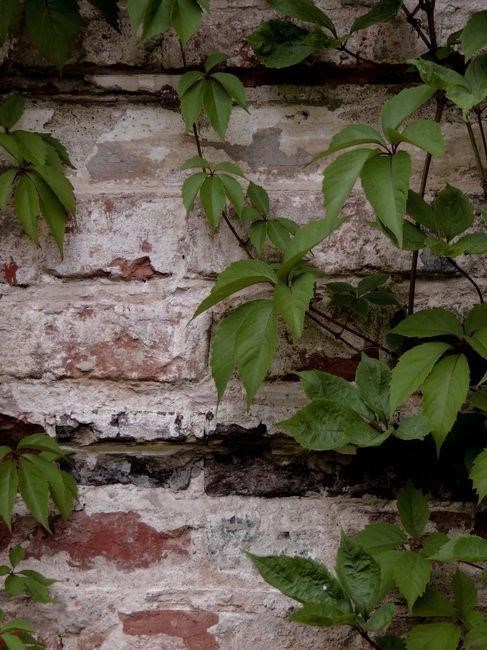
PDF of “Mending Wall” highlights the tension between human connection and isolation‚ the ritual of repair‚ and the paradox of equality versus division․ The wall symbolizes both physical boundaries and mental barriers‚ inviting readers to question inherited limits․ Explore more!!?
Boundary and Separation
Boundary and separation are central to the poem‚ illustrating how walls divide people‚ ideas‚ and cultures․Boundary and separation are central to the poem‚ illustrating how walls divide people‚ ideas‚ and cultures․Boundary and separation are central to the poem‚ illustrating how walls divide people‚ ideas‚ and cultures․Boundary and separation are central to the poem‚ illustrating how walls divide people‚ ideas‚ and cultures․Boundary and separation are central to the poem‚ illustrating how walls divide people‚ ideas‚ and cultures․Boundary and separation are central to the poem‚ illustrating how walls divide people‚ ideas‚ and cultures․Boundary and separation are central to the poem‚ illustrating how walls divide people‚ ideas‚ and cultures․Boundary and separation are central to the poem‚ illustrating how walls divide people‚ ideas‚ and cultures․Boundary and separation are central to the poem‚ illustrating how walls divide people‚ ideas‚ and cultures․Boundary and separation are central to the poem‚ illustrating how walls divide people‚ ideas‚ and cultures․Boundary and separation are central to the poem‚ illustrating how walls divide people‚ ideas‚ and cultures․Boundary and separation are central to the poem‚ illustrating how walls divide people‚ ideas‚ and cultures․Boundary and separation are central to the poem‚ illustrating how walls divide people‚ ideas‚ and cultures․Boundary and separation are central to the poem‚ illustrating how walls divide people‚ ideas‚ and cultures․Boundary and separation are central to the poem‚ illustrating how walls divide people‚ ideas‚ and cultures․Walls divide․ now!
Human Interaction and Rituals
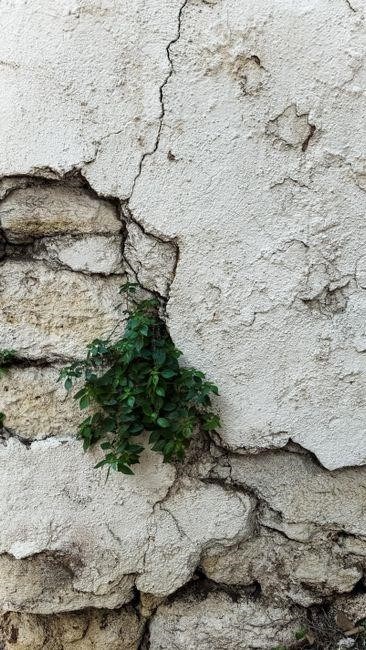
In the “Mending Wall” PDF‚ the narrator and his neighbor perform a yearly ritual that illustrates how human interaction can both bind and separate․ Each spring‚ they walk to the stone wall‚ measure‚ and hammer stones together‚ a symbolic act of cooperation that also highlights stubbornness․ A brief greeting‚ “Good morning‚” and a few words about the weather punctuate the ritual‚ mirroring the social contract that we must maintain boundaries while acknowledging each other’s presence․ The poem’s line‚ “He puts in his good stone‚” invites readers to consider the personal investment needed to sustain communal ties․ The ritual is more than functional; it is performative‚ reinforcing identity‚ tradition‚ and belonging․ By studying the PDF‚ students can analyze how this ritual reflects trust‚ respect‚ and the human tendency to build walls that protect yet isolate․ Annotations in the PDF emphasize the hammer‚ stones‚ and the shared silence after each strike‚ offering a rich field for discussion on how rituals shape interpersonal dynamics and cultural norms․ The repetition of the ritual creates continuity‚ prompting reflection on routine’s role in maintaining social bonds and the delicate balance between individuality and community․ This section encourages learners to examine the interplay between human interaction and the physical act of mending‚ revealing how rituals can both reinforce and challenge existing social structures․ Students can compare this ritual to other cultural practices‚ noting similarities in tools and symbolic gestures․ The PDF’s marginal notes prompt reflection on how wall maintenance mirrors personal boundaries in relationships․ Engaging with these prompts helps learners understand how rituals reinforce community cohesion while creating distance and growth․!!

Symbolism of the Wall
The PDF highlights the wall as a metaphor for social boundaries․ Frost’s imagery of stones and the neighbor’s insistence on “good stone” underscores how people reinforce divisions․ The wall’s dual role—protective yet isolating—mirrors human relationships․ Exploring the wall’s symbolism encourages dialogue about human limits
Physical vs․ Metaphorical Walls
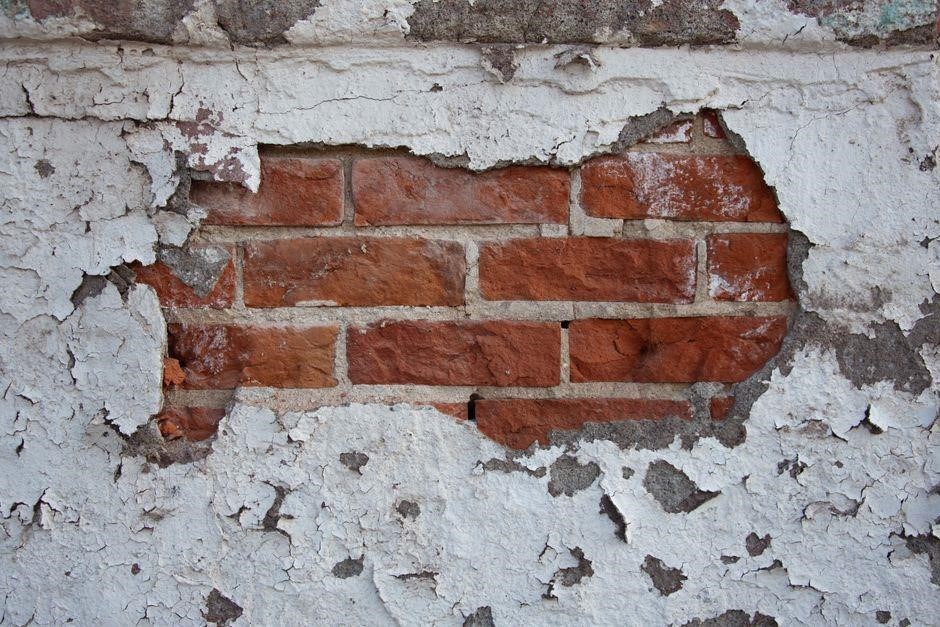
The PDF of Frost’s “Mending Wall” shows the wall as both a real stone barrier and a symbol of social limits․ The annotations describe the wall’s weight‚ weathered stones‚ and the farmer’s insistence on “good stone” to keep it standing․ These details ground the poem in a clear‚ visual reality․ Beneath that‚ the wall stands for the invisible lines people build—cultural‚ economic‚ or psychological—to keep others out․ Frost’s line‚ “We do not know each other’s names‚” highlights this barrier․ The PDF invites readers to compare the physical act of mending with the emotional work needed to bridge gaps․ By juxtaposing the literal and figurative‚ the PDF encourages discussion about the costs of separation‚ the rituals that reinforce it‚ and the chance to dismantle both․ Students reflect on how maintaining the wall mirrors society’s practices that keep people apart‚ and whether mending can become a catalyst for change․ Interactive features‚ such as clickable footnotes and prompts‚ help learners explore these themes‚ making the poem a study of structure‚ identity‚ and the human tendency to build walls in both literal and figurative ways․
The PDF also offers a side-by-side comparison of the literal wall and its symbolic counterpart‚ encouraging students to note how the physical act of mending mirrors the emotional labor required to maintain relationships․ By highlighting the repetitive nature of the ritual‚ the PDF prompts learners to consider whether the wall’s upkeep is a form of resistance or conformity․ This dual perspective helps students analyze how language‚ imagery‚ and structure reinforce the theme of boundary maintenance??!!!!
Educational Uses of the Poem
Use the PDF to guide lesson plans‚ discussion‚ and analysis․ It offers ready prompts‚ annotations‚ and printable worksheets․ Teachers can integrate it into literary studies‚ critical thinking‚ and research projects‚ making the poem accessible and engaging for all learnersIt supports diverse learning styles now․

Lesson Plans and Analytical Exercises
Students read the Mending Wall PDF‚ containing the poem‚ annotations‚ and prompts․ Learners annotate lines‚ noting imagery and metaphor․ Teachers assign a comparative exercise‚ asking students to compare the wall’s symbolic role in Frost’s poem with a boundary‚ like a firewall․ This fosters critical thinking about how walls shape interaction․!!
Another effective exercise is the “Wall Debate․” Students are divided into two teams: one argues that walls protect‚ the other that they isolate․ Using evidence from the poem‚ each team presents arguments and counterarguments․ This activity develops persuasive writing and oral communication skills․ After the debate‚ students write a reflective essay on how the poem’s message applies to modern society․
For advanced learners‚ a creative writing assignment can be added․ Students write a short poem or prose piece describing a personal “wall” they have built or broken․ They then share their work in a peer‑review session‚ focusing on how the wall’s symbolism parallels Frost’s imagery․ This exercise nurtures empathy and self‑analysis while reinforcing poetic techniques․
Assessment can be scaffolded using a rubric that evaluates understanding of theme‚ use of evidence‚ clarity of argument‚ and creativity․ Teachers can provide feedback through the PDF’s printable worksheets‚ which allow students to track progress and revise drafts․ The PDF’s ready prompts and printable resources make it easy to integrate these activities into a unit on American poetry or literary analysis․
Assessment and Revision Strategies

To evaluate students’ grasp of Mending Wall‚ teachers can use the PDF’s built‑in assessment worksheets․ These worksheets include a short‑answer section where students identify key motifs‚ a multiple‑choice quiz on rhyme scheme‚ and a rubric for a reflective essay․ The rubric focuses on three criteria: comprehension of theme‚ use of textual evidence‚ and clarity of expression․ Teachers can assign a timed quiz that requires students to match lines to their corresponding stanza number‚ reinforcing structural awareness;
Revision strategies are embedded in the PDF’s “Revision Checklist․” Students first draft a paragraph analyzing the wall’s symbolic role․ They then use the checklist to ask themselves: “Did I cite specific lines?” “Did I explain how the imagery supports the theme?” “Is my argument logically organized?” After self‑assessment‚ students exchange drafts for peer feedback․ The PDF provides a peer‑review template that prompts reviewers to comment on thesis strength‚ evidence quality‚ and stylistic choices․ This collaborative process encourages metacognition and improves writing quality․
For deeper revision‚ teachers can schedule a “Revision Workshop․” During the workshop‚ students bring their drafts to a small group․ The group discusses common misconceptions‚ such as confusing the wall’s physical and metaphorical functions․ The PDF includes a “Misconception Map” that visualizes these pitfalls and offers corrective strategies․ Students then revise their essays‚ focusing on clarity and depth․ Finally‚ the PDF offers a “Final Submission” form where students upload their polished essay‚ and teachers provide a final grade and detailed comments․
In addition‚ the PDF offers a “Self‑Assessment Survey” that asks students to rate their confidence in interpreting poetic devices․ This data helps teachers tailor subsequent lessons․ The survey includes Likert‑scale items and open‑ended questions‚ allowing students to reflect on their analytical growth․ By integrating these tools‚ educators create a comprehensive assessment ecosystem that supports continuous improvement․
PDF Formats and Distribution Platforms
Students and educators can obtain the Mending Wall PDF from several reputable sources․ The official University of Iowa Poetry Center hosts a high‑resolution PDF that includes the poem‚ author notes‚ and a discussion guide․ This file is available for free download and can be printed or viewed on any device․ For mobile learning‚ the PDF is optimized for small screens‚ preserving line breaks and stanza spacing․ Additionally‚ the Poetry Foundation offers a downloadable PDF that contains the poem alongside a brief critical commentary․ This version is ideal for quick reference during class discussions․ For teachers who prefer a more interactive format‚ the PDF can be converted to an e‑book using Adobe InDesign or Calibre‚ adding hyperlinks to footnotes and external resources․ Distribution platforms such as Google Drive‚ Dropbox‚ and OneDrive allow educators to share the PDF with students via a secure link․ The file can also be embedded in learning management systems like Canvas or Moodle‚ where it appears as a resource in the course module․ For accessibility‚ the PDF includes an optional text‑to‑speech layer‚ enabling visually impaired students to listen to the poem․ Finally‚ the PDF is available in both standard and compressed formats‚ ensuring fast loading times even on limited bandwidth connections․ By leveraging these formats and platforms‚ teachers can seamlessly integrate the poem into diverse instructional settings․ The PDF’s responsive design lets students annotate directly‚ fostering analysis and timely quick feedback!