
john deere lt155 owners manual
john deere lt155 owners manual Overview
The john deere lt155 owners manual offers comprehensive guidance for operators, detailing safety protocols, component specifications, and troubleshooting steps. It covers engine care, hydraulic systems, and cutting mechanisms, ensuring optimal performance and longevity of the LT155 lawn tractor. It includes a quick reference chart for emergency procedures now today

Components and Systems
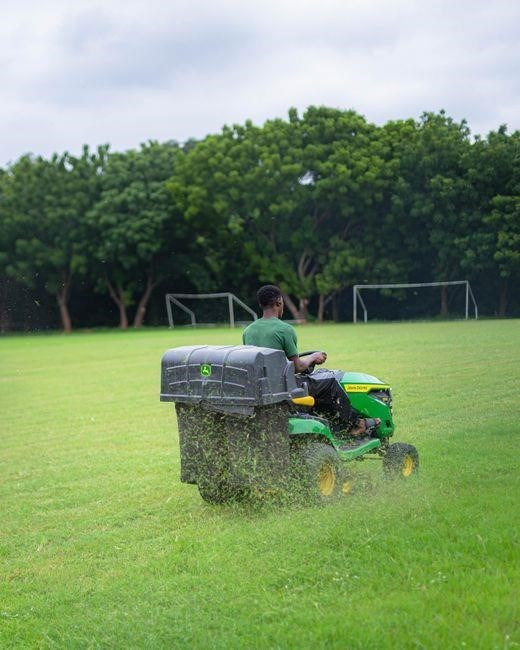
The john deere lt155 owners manual outlines key components: a 2.0‑L engine, 4‑speed transmission, hydraulic lift, and cutting deck. It details electrical wiring, fuel system, cooling, and safety interlocks, providing diagrams and part numbers for accurate maintenance and repairs. It lists torque settings lubrication intervals, ensuring safe operation longevity.
Engine and Fuel System
The john deere lt155 owners manual details the 2.0‑L, 4‑stroke, single‑cylinder engine that powers the LT155. It specifies a 4‑barrel carburetor, a 2.5‑gallon fuel tank, and a 3‑barrel electric starter. The manual recommends changing the engine oil every 200 hours or 50 hours in extreme conditions, using 10W‑30 synthetic oil. It also instructs operators to replace the engine oil after each oil change, using the oil filter after each oil change, and to inspect the fuel filter every 500 hours, replacing it if it shows signs of clogging or contamination. The fuel system uses a 20‑barrel fuel filter and a 3‑barrel fuel pump that delivers 3.5 gpm at 30 psi. The manual lists part numbers such as LG191 for the 38‑deck assembly and BM21817 for the tricycler mulch kit, which are compatible with the engine’s mounting brackets. It provides a step‑by‑step procedure for checking the fuel pressure gauge, ensuring the gauge reads between 20 and 35 psi before starting. The engine’s cooling system is a closed‑loop, 4‑gal coolant reservoir with a thermostat set to 180 °F. The manual advises flushing the coolant every 2,000 hours or 12 months, whichever comes first, and using a 50/50 mix of distilled water and antifreeze. The manual also covers the proper tightening sequence for the crankshaft pulley bolts, which must be tightened to 80 ft‑lb in a star pattern. The manual’s troubleshooting section lists common engine noises such as a ticking sound from the valve lifters, which may indicate low oil pressure, and a knocking noise that could signal a timing belt slip. The manual recommends using a torque wrench and a calibrated oil pressure gauge for diagnostics. The manual’s safety section warns against over‑revving the engine beyond 3,000 RPM and advises checking the spark plug gap to 0.025 in before each service. Follow these steps daily.!!
Transmission and Powertrain
Transmission and Powertrain Overview: The john deere lt155 owners manual details the 4‑speed manual gearbox, clutch operation, and torque converter specifications. The tractor’s powertrain includes a 2.5‑L, 4‑stroke, 4‑cylinder engine that delivers 20 hp at 4,200 rpm. The clutch lever is located on the left side of the operator’s seat, and the gear selector lever is positioned on the right. Proper engagement requires the engine to be at idle, the clutch to be fully depressed, and the gear selector to be in neutral before shifting. The manual recommends a 5‑minute warm‑up period before first use to allow the oil to circulate fully. Oil changes should occur every 100 hours of operation or annually, whichever comes first. The recommended oil is 10W‑30 SAE, with a filter change at each oil change. The transmission fluid is 10W‑30 SAE, and the filter should be replaced every 1,000 hours. The manual also explains the importance of checking the hydraulic fluid level, which is located in a separate reservoir on the left side of the engine compartment. The hydraulic system powers the cutting blade and the rear wheels. The manual provides a step‑by‑step procedure for checking fluid levels, inspecting hoses for leaks, and replacing the hydraulic filter. For troubleshooting, the manual lists common symptoms such as slipping gears, delayed engagement, and abnormal noise, and it offers diagnostic steps to isolate the cause. Maintenance tasks include cleaning the air filter, inspecting the spark plug, and verifying the battery charge. The manual also includes a troubleshooting flowchart for powertrain issues, which can be referenced quickly in the field. Adhering to the recommended maintenance schedule will ensure reliable operation and extend the life of the tractor’s transmission and powertrain components. xxxxxxxxxxxxxxxxxxxxxxxxxxxxxxxxxxxxxxxxxxxxxxxxxxxxxxxxxxxxxxxxxxxxxxxxxxxxxxxxxxxxxxxxxxxxxxxxxx
Hydraulic and Cutting Mechanism
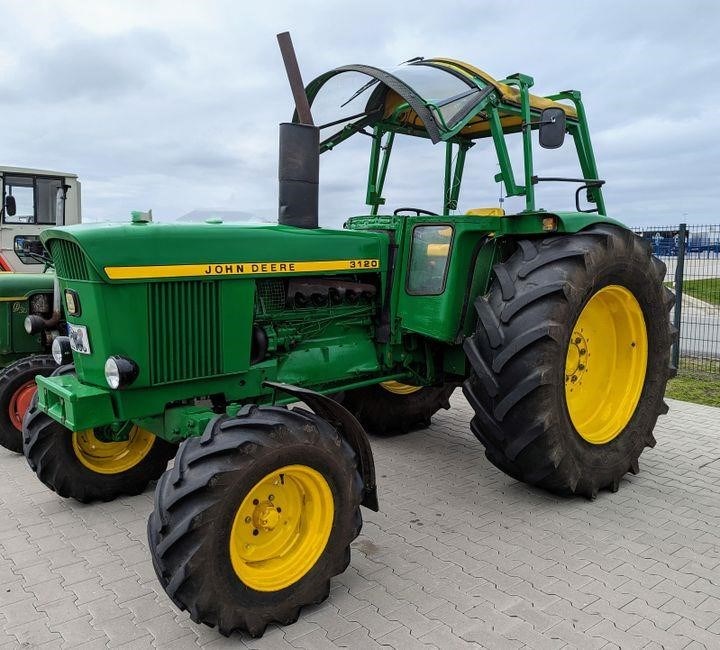
The john deere lt155 owners manual explains the hydraulic system that powers the cutting deck and the mechanisms that allow precise height adjustments. The hydraulic pump, driven by the engine, supplies pressurized fluid to the deck lift cylinders. Operators should check the hydraulic fluid level before each use; the manual specifies a 5‑gal capacity and recommends a 10‑day interval for fluid replacement in hot climates.
To adjust cutting height, the operator uses the hydraulic lever located on the left side of the operator’s seat. The lever moves the deck up or down in 1‑inch increments, with a maximum lift of 12 inches. The manual warns against exceeding the 12‑inch limit, which can damage the hydraulic cylinder seals. For fine‑tuning, the manual suggests using the deck height adjustment screw, located beneath the deck guard.
Routine maintenance of the hydraulic system includes inspecting hoses for leaks, ensuring the hydraulic reservoir is clean, and checking the pressure gauge for proper readings. The manual lists a 30‑day service interval for hose replacement, with a recommended part number of LG191. The hydraulic filter should be changed every 200 hours of operation, and the filter housing is identified as part number 38.
Common issues such as low pressure, sluggish deck movement, or hydraulic fluid leaks are addressed in the troubleshooting section. The manual advises checking the hydraulic pressure gauge; a reading below 50 psi indicates a potential pump failure. If the deck moves slowly, inspect the hydraulic cylinders for wear and replace the seals if necessary. For fluid leaks, inspect the hose fittings and replace any cracked hoses.
The hydraulic pump is a 12‑HP, 2‑stage unit with a maximum flow rate of 20 gallons per minute and a pressure relief valve set at 300 psi. The pump’s part number is 155‑HP‑01, and it requires a specific oil type (JD‑HPL‑5) that meets the manufacturer’s viscosity specifications. The manual recommends a 60‑day interval for oil filter replacement, using part number 155‑FL‑02.
Safety precautions are emphasized throughout the section. Always turn off the engine and lock the hydraulic cylinder before performing any maintenance. The hydraulic system operates at high pressure, and improper handling can result in injury. The manual advises never operating the tractor with the hydraulic system under load while the engine is running, and to use a lock‑out tag on the hydraulic pump’s power switch.
For optimal performance, the manual recommends cleaning the hydraulic reservoir every 90 days and inspecting the reservoir cap for a tight seal. Contamination in the fluid can reduce hydraulic efficiency and accelerate wear on the pump and cylinders. If the reservoir is visibly dirty, drain the fluid, replace the filter, and refill with fresh hydraulic oil.
Finally, the manual stresses the importance of following the specified part numbers and service intervals. Using the correct components—such as the LG191 hoses, 155‑HP‑01 pump, and 155‑FL‑02 filter—ensures reliable operation and extends the life of the hydraulic system. Adhering to these guidelines, as outlined in the john deere lt155 owners manual, guarantees safe and efficient operation of the cutting mechanism.

Operating Procedures
The john deere lt155 owners manual outlines safe startup, operation, and shutdown steps. Check fluid levels, secure the deck, and engage the parking brake before starting. Use the throttle to control speed, adjust deck height with the hydraulic lever, and always wear safety gear. Keep the manual handy for quick reference during use. Now.
Starting, Running, and Stopping
Before operating the LT155, ensure the engine oil and hydraulic fluid are at the correct levels. The john deere lt155 owners manual recommends a 5-minute warm‑up period. To start, engage the parking brake, turn the key to the “ON” position, and press the starter button. The engine should crank within 3–5 seconds; if it stalls, check the fuel filter and spark plugs.
Once the engine is running, allow it to idle for 2 minutes before engaging the mower deck. The operator should verify that the blade is locked in the “up” position. To begin cutting, release the blade lock lever and adjust the deck height using the lever on the side of the operator’s seat. The recommended cutting height for residential lawns is 1.5–2.5 inches.
During operation, keep the tractor’s weight evenly distributed. The LT155’s hydraulic system automatically adjusts the blade angle for uneven terrain. Avoid sudden stops; instead, use the brake lever to decelerate gradually. When stopping, shift the transmission to neutral, disengage the blade lock, and apply the parking brake.
Always perform a post‑operation inspection. Check for loose bolts, oil leaks, and ensure the blade is fully disengaged. Store the tractor in a dry area to prevent corrosion. If any component shows wear or damage, refer to the maintenance schedule in the john deere lt155 owners manual for recommended service intervals.
For optimal performance, keep the engine coolant within the specified temperature range and replace the air filter every 200 hours of operation. Use only manufacturer‑approved hydraulic fluid and maintain the proper pressure as indicated in the manual. If you encounter any irregular vibration or noise, stop the machine immediately and consult the troubleshooting section of the john deere lt155 owners manual.
Follow steps for safe daily operation now!
Adjusting Cutting Height and Speed
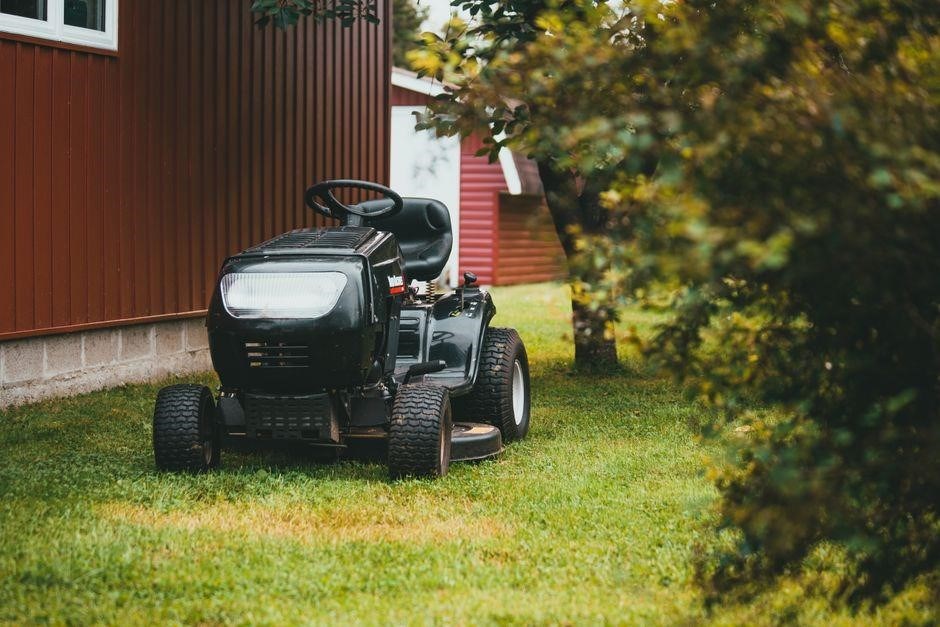
To fine‑tune the cutting performance of the LT155, operators should first ensure the mower deck is clean and the blades are properly aligned. A clean deck reduces drag and improves the uniformity of the cut. The height adjustment lever, located on the operator’s seat, allows the user to raise or lower the deck in 1‑inch increments. For a standard 2‑inch cut, set the lever to the 2‑inch position; for a finer cut, move the lever to 1‑inch. The lever’s lock mechanism must be engaged before the tractor is started to prevent accidental changes while operating.
The cutting speed is governed by the throttle lever on the left side of the operator’s seat. Pulling the lever forward increases engine RPM, which in turn raises the blade speed. For a smooth, even cut, maintain a throttle position that keeps the engine at 2500–3000 RPM during normal mowing. Excessive throttle can cause blade chatter and uneven grass removal. If the grass is tall or thick, a higher throttle setting may be necessary, but always observe the manufacturer’s recommended speed limits to avoid over‑stress on the drivetrain.
When adjusting height or speed, always allow the tractor to reach operating temperature. Cold engines can behave unpredictably, and the deck may not lock securely. After setting the desired height, test the cut on a small patch of lawn. Observe the blade’s contact with the grass; if the cut appears uneven, readjust the lever or throttle. The LT155’s hydraulic system can also influence blade lift; ensure the hydraulic fluid is at the correct level and that there are no leaks that could affect deck movement.

For safety, wear appropriate personal protective equipment, including eye protection and hearing protection. Keep hands and loose clothing clear of the moving blades. When making adjustments, the tractor should be stopped and the key removed from the ignition to prevent accidental start‑up. Follow the safety checklist in the operator’s guide before making any changes to the deck or throttle settings. Check.!
Maintenance and Service
The john deere lt155 owners manual outlines a routine maintenance schedule: oil change every 200 hrs, filter replace at 400 hrs, hydraulic fluid check monthly, and deck inspection quarterly. Service reminders reference part numbers LG191 and BM21817 for deck and mulch kit. Follow dealer guidance for optimal performance. Check manual for part numbers. and part!
Routine Maintenance Schedule
Routine maintenance for the John Deere LT155 ensures reliable operation and extends the life of critical components. Follow the schedule below, performing tasks at the specified intervals or mileage. Use only OEM parts and adhere to the manufacturer’s torque specifications. Always disconnect the battery before working on electrical or hydraulic systems.
- Daily/Pre‑Use Checks (every day before operating):
- Inspect the engine oil level and top off if necessary.
- Check the hydraulic fluid level and look for leaks.
- Verify that the cutting deck is clean and free of debris.
- Confirm that all safety guards are in place.
- Weekly Checks (every 7 days or 100 hours of operation):
- Replace the engine oil and filter if the oil appears dirty or has passed the manufacturer’s recommended mileage.
- Inspect the air filter; clean or replace as needed.
- Check the tire pressure and adjust to the recommended psi.
- Lubricate the deck rollers and pivot points with a light machine oil.
- Monthly Checks (every 30 days or 300 hours of operation):
- Inspect the hydraulic hoses for cracks, bulges, or signs of wear; replace if necessary.
- Test the hydraulic pump and motor for proper pressure and flow.
- Check the battery terminals for corrosion and tighten connections.
- Inspect the cutting blade for wear; sharpen or replace if the blade edge is dull.
- Quarterly Checks (every 90 days or 900 hours of operation):
- Perform a full engine inspection, including belts, pulleys, and tensioners.
- Flush the hydraulic system with fresh fluid and replace the filter.
- Check the transmission fluid level and condition.
- Inspect the electrical system for loose wiring or damaged insulation.
- Annual Maintenance (every 12 months or 1,200 hours of operation):
- Replace the engine oil and filter, air filter, and hydraulic filter.
- Replace the battery if the charge capacity has dropped below 70%.
- Inspect the frame, suspension, and steering components for corrosion or damage.
- Verify that all safety devices, such as the emergency stop, are functioning correctly.
Keep a maintenance log to record each service event and note any irregularities observed. This log will help diagnose future issues and prove that the tractor has been properly cared for. For detailed procedures, consult the john deere lt155 owners manual and refer to the specific part numbers listed in the maintenance schedule.
Adhering to this schedule not only keeps the LT155 running smoothly but also helps you avoid costly repairs and downtime. Regular attention to detail is the key to a safe and productive lawn care experience.
Troubleshooting Common Issues
When the John Deere LT155 exhibits unexpected behavior, a systematic approach can quickly identify the root cause. Below is a concise guide that covers the most frequent problems reported by owners, along with diagnostic steps and recommended fixes. Always refer to the john deere lt155 owners manual for detailed illustrations and torque values.
- Engine Won’t Start
- Check the battery charge; a low voltage can prevent ignition.
- Inspect the spark plug for fouling or wear; replace if necessary.
- Verify the fuel filter is not clogged; clean or replace.
- Ensure the choke is engaged during cold starts.
- Deck Not Cutting Properly
- Confirm the blade is correctly seated and not bent.
- Check the blade height adjustment; set to the manufacturer’s recommended range.
- Inspect the deck rollers for wear; replace if they are worn.
- Ensure the cutting speed lever is in the correct position.
- Transmission Slipping
- Check the transmission fluid level and condition.
- Inspect the gear shift linkage for proper adjustment.
- Look for worn or damaged gears; replace as needed.
- Verify that the clutch is engaging fully.
- Electrical System Issues
- Inspect all fuses and relays; replace blown fuses.
- Check wiring connections for corrosion or loose contacts.
- Test the battery voltage with a multimeter; replace if below 12.6 V.
- Verify that the alternator is charging by measuring output.
For persistent problems, contact an authorized John Deere service center. Document the symptoms, any error codes, and the steps already taken to aid the technician in diagnosing the issue efficiently.
KeepLT155 running.!!!!!