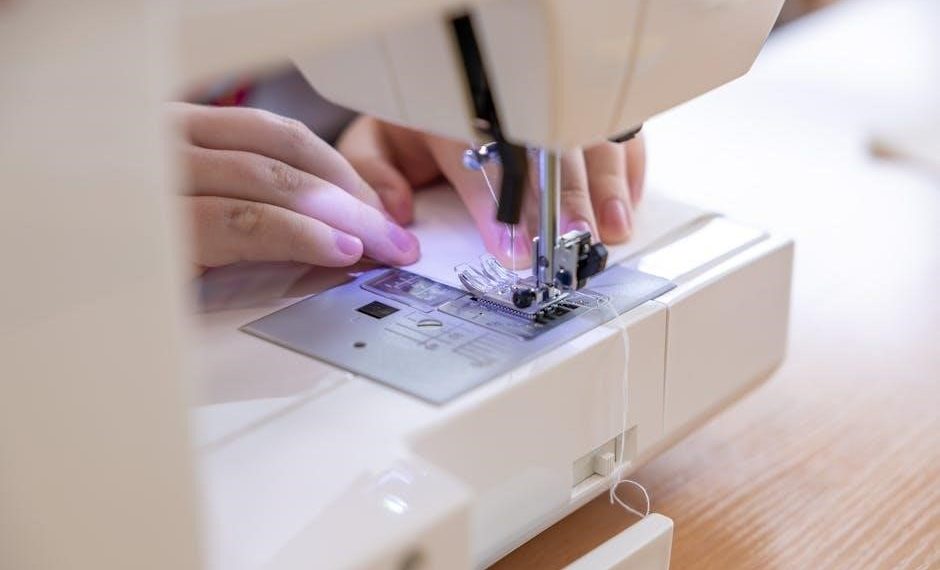
elna sewing machine manual free download
Elna Sewing Machines: A Historical Overview & Manual Resources
Elna’s dedication to enjoyable sewing, coupled with user-friendly designs, has spanned decades, beginning in 1940 with the revolutionary Elna 1 portable machine.
The Legacy of Elna: From 1940 to Today
Elna’s journey began in 1940 with a groundbreaking innovation – the Elna 1, a compact, portable, and electric sewing machine featuring a free arm. This design cleverly transformed its metal carrying case into a functional sewing table when unfolded, marking a significant leap in convenience for sewers. The core philosophy driving Elna’s development has consistently centered on making sewing accessible, enjoyable, and modern, achieved through ease of use and remarkable versatility.
Throughout the mid-20th century, Elna continued to refine its designs, introducing models like the Supermatic/Elna 2 in 1952, which pioneered automatic reverse stitching. The brand’s evolution spanned the iconic “Grasshopper” series and the popular Elnita line, demonstrating a commitment to meeting diverse sewing needs. Even as materials transitioned – from machined aluminum casings to plastic in models like the Carina – Elna maintained its reputation for Swiss engineering and quality. Today, Elna offers a comprehensive range, including computerized, embroidery, and overlock machines, building upon a rich heritage of innovation.
Elna’s Founding Principles: Ease of Use & Versatility
Elna’s enduring success stems from a steadfast commitment to two core principles: simplifying the sewing experience and maximizing machine versatility. From its inception in 1940, the brand prioritized designs that would empower both novice and experienced sewers. The original Elna 1 exemplified this, offering portability and a free-arm feature previously unseen in electric machines, transforming any space into a sewing hub.
This dedication extended beyond initial innovation. Subsequent models, like the Elna Supermatic/Elna 2, introduced features like automatic reverse, enhancing usability without sacrificing simplicity. The diverse range – encompassing Grasshopper, Elnita, Lotus, and later, computerized options – demonstrates Elna’s responsiveness to evolving sewing demands; Even the shift in casing materials, from aluminum to plastic, aimed to balance durability with affordability. Elna consistently strived to deliver machines that were not merely functional, but intuitive and adaptable to a wide spectrum of projects.
Early Elna Models (1940-1964)
Elna’s initial offerings, including the groundbreaking Elna 1 and the improved Supermatic/Elna 2, established a reputation for compact design and innovative features.
The Elna 1 (1940-1952): The Original Portable
The Elna 1, launched in 1940, marked a pivotal moment in sewing machine history. It was the first compact, portable, and electric machine featuring a free arm – a design that transformed into a sewing table when unfolded from its metal carrying case. This innovative feature offered unprecedented convenience for home sewers.
Early models underwent minor modifications throughout their production run, but the core design remained remarkably consistent. The machine’s lightweight and robust construction made it ideal for travel and limited spaces. Elna prioritized ease of use, making the 1 accessible to both novice and experienced sewers. Its simplicity and reliability quickly gained a loyal following.
Despite its age, the Elna 1 remains a sought-after collector’s item and a testament to Swiss engineering; Finding original manuals can be challenging, but resources are emerging online, dedicated to preserving the legacy of these pioneering machines. The enduring appeal of the Elna 1 lies in its elegant design and functional brilliance.
Elna Supermatic/Elna 2 (1952-1964): Introducing Automatic Reverse
The Elna Supermatic, also known as the Elna 2, built upon the success of its predecessor, introducing a significant advancement: automatic reverse. This feature, a first for Elna, allowed for secure and neat seam finishing without needing to manually turn the fabric. Produced from 1952 to 1964, the Supermatic came in four distinct color variations, adding a touch of style to its functionality.
Like the Elna 1, the Supermatic retained the portable design and robust construction that defined the brand. However, the addition of automatic reverse broadened its appeal to a wider range of sewing projects. The machine continued to embody Elna’s commitment to ease of use and versatility.
Locating original manuals for the Elna Supermatic/2 is a common pursuit for owners and collectors. Online archives and enthusiast communities are valuable resources for finding these documents, ensuring these classic machines continue to be enjoyed for generations to come.
Key Features & Variations of Early Models
Early Elna models, particularly the Elna 1 and Elna Supermatic/2, shared several defining characteristics. Both were celebrated for their compact size, portability, and the innovative free arm design – a feature that transformed the metal carrying case into a functional sewing table. This design greatly enhanced usability for various projects.
Variations within these models primarily revolved around cosmetic details, such as color options. The Elna Supermatic/2, for instance, was available in four different color schemes, allowing users to personalize their machine. Mechanically, the core functionality remained consistent, focusing on reliable straight and zigzag stitching.
Finding detailed information, including exploded diagrams and parts lists, often requires accessing original manuals. Fortunately, numerous online resources and dedicated Elna communities offer free downloads of these valuable documents, aiding in restoration and maintenance efforts.
Mid-Range Elna Machines (1964-1978)
Elna’s mid-range machines, like the Grasshopper and Elnita series, continued the tradition of Swiss engineering and user-focused design innovations.
Exploring the Grasshopper Series
The Grasshopper series, produced from 1964 onwards, represented a significant step in Elna’s evolution, maintaining the brand’s commitment to portability and ease of use. These machines, known for their distinctive green color and compact design, quickly gained popularity among home sewers. They offered a balance between simplicity and functionality, making them ideal for a wide range of sewing projects.
Several variations within the Grasshopper line catered to different needs and budgets. While retaining the core features of previous Elna models – such as the free arm and lightweight construction – the Grasshopper series introduced improvements in stitch selection and overall performance. The machines were celebrated for their robust build quality and reliable operation, characteristics synonymous with Elna’s Swiss heritage.
Owners seeking information or assistance with their Grasshopper machines often find resources detailing model-specific features and troubleshooting tips. These resources, alongside the broader Elna community, help preserve the legacy of these iconic sewing machines.
The Elnita Series: A Popular Choice
The Elnita series, emerging as a prominent line within Elna’s mid-range offerings, quickly became a favorite among sewing enthusiasts. Introduced to broaden Elna’s appeal, these machines offered a compelling combination of affordability, reliability, and a comprehensive feature set. They were designed to handle a diverse array of sewing tasks, from basic garment construction to more intricate quilting projects.
Elnita models distinguished themselves through user-friendly operation and a robust mechanical design. While maintaining the compact and portable nature characteristic of Elna machines, the Elnita series incorporated enhancements in stitch capabilities and overall sewing performance. This made them particularly attractive to both beginner and experienced sewers.
Finding support for Elnita machines is often facilitated by dedicated online communities and archived manuals. These resources provide valuable assistance with maintenance, repairs, and understanding the unique features of each Elnita model, ensuring their continued usability.
Lotus & Special Models: Expanding the Range
Elna strategically broadened its product line with the Lotus and Special models, catering to a more diverse set of sewing needs and preferences. These machines represented a step towards offering specialized functionality alongside the core capabilities of the established Grasshopper and Elnita series. The Lotus models, in particular, often featured enhanced aesthetic designs and refined operational features.
The Special models, as the name suggests, incorporated unique features tailored to specific sewing applications. This included variations in stitch patterns, motor power, and overall construction. These models allowed Elna to address niche markets and appeal to sewers with specialized requirements.
Locating manuals for these models can be achieved through online archives and enthusiast forums. These resources often contain scanned copies of original manuals, providing detailed instructions and troubleshooting guidance for maintaining these distinctive Elna machines.
Later Elna Models & Technological Advancements
Elna transitioned to plastic casings with the Carina, while late 1970s innovations included Air Electronic and automatic models, showcasing Swiss engineering prowess.
The Transition to Plastic Casings: The Carina
The Carina marked a significant shift in Elna’s design philosophy, moving away from the beautifully machined aluminum casings that characterized earlier models. This transition to plastic, beginning in the 1980s, represented a cost-saving measure and allowed for more streamlined, modern aesthetics. However, it didn’t compromise the internal quality and engineering that Elna was known for.
Despite the material change, the Carina retained Elna’s commitment to ease of use and versatility. It offered a range of features appealing to both novice and experienced sewers. Carol Ahles, a former Elna dealer and renowned quilting instructor, extensively covered the Carina and its series in her book, “Know Your Elna,” available in libraries. This resource provides invaluable insights into the machine’s operation, maintenance, and troubleshooting.
The Carina series encompassed various models, each with slight variations in features and capabilities, solidifying Elna’s position in the evolving home sewing market.
Air Electronic & Automatic Models: Late 1970s Innovations
Elna’s late 1970s lineup, featuring the Air Electronic and Automatic models, showcased a leap forward in sewing technology. These machines integrated electronic components to automate functions previously performed manually, enhancing sewing precision and efficiency. This period demonstrated Elna’s commitment to embracing innovation while maintaining its core principles of user-friendliness.
The Air Electronic models, in particular, were lauded for their advanced features, including programmable stitch patterns and automatic buttonholing. These advancements catered to a growing demand for sophisticated sewing machines capable of handling complex projects. Elna continued to blend Swiss engineering with cutting-edge technology, appealing to a broad spectrum of sewing enthusiasts.
Finding detailed information and manuals for these models can be challenging, but resources like online forums and dedicated Elna websites often provide valuable assistance.
Resources for Owners: “Know Your Elna” by Carol Ahles
For Elna sewing machine owners, particularly those navigating vintage models, “Know Your Elna” by Carol Ahles stands as an invaluable resource. Ahles, a former Elna dealer and respected sewing instructor specializing in heirloom and quilting techniques, provides comprehensive coverage of various Elna machines, including the Carina and related series.
This book delves into the intricacies of Elna’s design and functionality, offering detailed explanations, troubleshooting tips, and maintenance guidance. It’s a particularly useful guide for understanding the transition from the classic aluminum casings to the later plastic models. Ahles’ expertise shines through, making complex information accessible to both novice and experienced sewers.
Widely available in libraries, “Know Your Elna” complements online resources, offering a tangible and in-depth exploration of these iconic machines. It’s a cornerstone for preserving and enjoying Elna’s legacy.
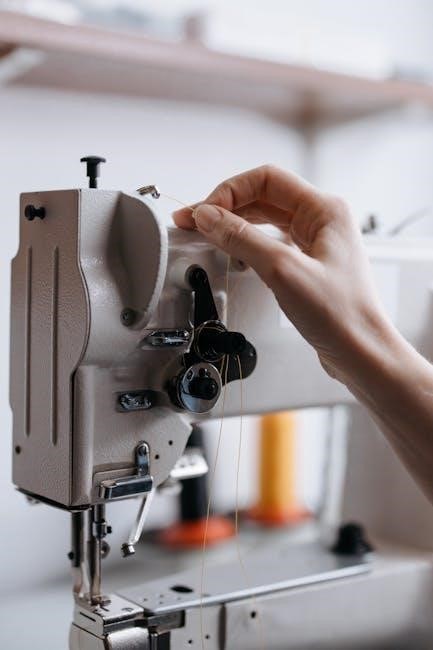
Finding Free Elna Sewing Machine Manuals
Elna owners can locate free manuals through online archives, dedicated websites, and active online forums, ensuring continued use of these Swiss-engineered machines.
Online Archives & Websites Dedicated to Elna
Numerous online resources offer free Elna sewing machine manuals, catering to both vintage and modern models. Dedicated websites, often maintained by Elna enthusiasts, serve as central repositories for downloadable PDFs. These archives frequently contain manuals for the iconic Grasshopper series, the popular Elnita models, and even the later Air Electronic machines.
Internet Archive is a valuable source, potentially housing scanned copies of original Elna manuals. Specific Elna-focused websites may specialize in particular eras or model lines, providing a more curated search experience. When navigating these sites, utilize precise model numbers to refine your search and ensure you download the correct manual. Remember that manual quality can vary, with some scans being clearer than others. Patience and careful searching are key to locating the documentation you need to maintain your Elna machine effectively.
Furthermore, exploring sewing machine-specific forums and communities often reveals links to shared manuals and helpful advice from fellow Elna owners.
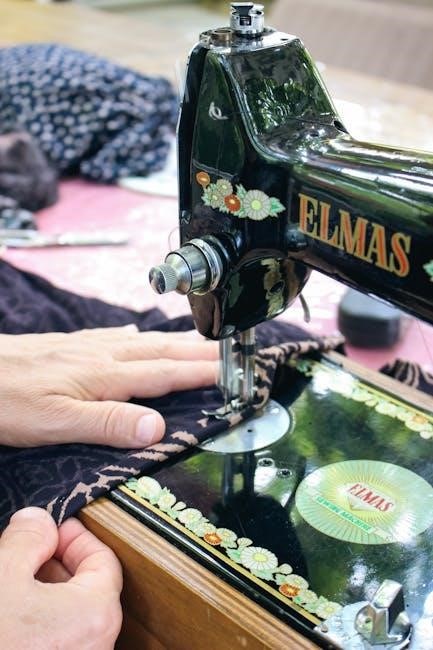
Utilizing Online Forums & Communities
Online sewing machine forums and dedicated online communities represent a powerful resource for locating Elna sewing machine manuals. These platforms connect enthusiasts and owners who frequently share scans, links, and knowledge regarding vintage and current Elna models. Searching within these forums using specific model numbers – like “Elna Supermatic manual” or “Elnita 8003 instructions” – often yields direct downloads or helpful guidance.
Beyond manuals, these communities offer invaluable troubleshooting advice. Experienced Elna users can assist with identifying parts, resolving mechanical issues, and understanding the nuances of specific models. Don’t hesitate to post questions or search existing threads for solutions to common problems. Many members are passionate about preserving Elna’s legacy and are eager to help fellow owners keep their machines running smoothly.
Remember to adhere to forum etiquette and respect copyright when sharing or requesting materials. Active participation can unlock a wealth of information and support.
Identifying Your Model Number for Accurate Manual Search
Locating your Elna sewing machine’s model number is crucial for a successful manual search. This unique identifier ensures you download the correct instructions specific to your machine’s features and functionalities. The model number is typically found on a metal plate affixed to the machine itself. Common locations include the front, side, or back of the sewing head, or underneath the machine bed.
Carefully examine the machine for a plate or sticker displaying a series of numbers and letters – for example, “Elna Supermatic” or “Elnita 8003”. Note this number precisely, as even slight variations can lead to incorrect manuals. If the plate is damaged or illegible, consult online resources or forums dedicated to Elna machines; experienced users may be able to help identify the model based on its physical characteristics.
Having the correct model number dramatically increases your chances of finding a compatible, free downloadable manual.
Troubleshooting Common Issues with Elna Machines
Even with a well-maintained Elna, occasional issues can arise. Common problems include thread bunching, skipped stitches, and tension difficulties. Before seeking professional repair, consult your Elna sewing machine manual – often available as a free download – for troubleshooting guidance. Many manuals detail solutions for these frequent concerns, often involving simple adjustments like re-threading the machine or cleaning the bobbin area.
Online Elna communities and forums are invaluable resources. Experienced users frequently share solutions to common problems, offering step-by-step instructions and helpful tips. When posting a query, include your machine’s model number for targeted advice. Remember to describe the issue clearly and, if possible, provide a photograph or video demonstrating the problem.
Often, a little research and patience can resolve minor issues without costly repairs.