
latin vulgate bible in english pdf
Overview of the Latin Vulgate Bible
The Latin Vulgate, Jerome’s 4th‑century translation, remains the Church’s canonical text․ Modern English PDF editions preserve its Latin wording while offering searchable, hyperlinked indices․ Scholars use these PDFs for textual criticism and liturgical study․ PDF tools enable note‑taking and interlinks now․
1․1 Historical Background of the Vulgate Translation
Jerome, a Greek‑born scholar in the late 4th century, was commissioned by Pope Damasus I to produce a unified Latin Bible․ Working in Rome, he translated the Hebrew Old Testament and the Greek New Testament directly into Latin, rather than relying on the earlier Latin Vulgate of St․ Augustine․ Jerome’s texts, completed around 405 CE, were heavily influenced by the Septuagint and the Hebrew Masoretic Text․ The resulting Vulgate became the standard scripture for the Western Church, endorsed by the Council of Trent in 1546․ Over the next centuries, the Vulgate underwent numerous revisions, most notably the Sixto‑Clementine edition of 1592, which standardized orthography and punctuation․ The digital age has preserved these manuscripts in PDF format, allowing scholars worldwide to access the original Latin text with searchable, hyperlinked features that facilitate comparative studies and liturgical use․ In the 20th century, critical editions such as the Stuttgart Vulgate (1969) and the Nova Vulgata (1979) refined the text further, incorporating manuscript evidence and textual criticism․ The availability of PDF scans of early manuscripts, including the Codex Amiatinus and Codex Vaticanus, provides researchers with access to primary sources․ Modern PDF tools enable annotation, cross‑referencing, and integration with scholarly databases, ensuring that the Vulgate remains a living document for theological research, biblical studies, and ecclesiastical tradition․ —scholars and here!!
1․2 Major Editions and Revisions of the Vulgate Text
Jerome’s original Latin Bible was first printed in the 15th century, but the most influential printed edition was the Sixto‑Clementine version of 1592, which standardized spelling, punctuation, and marginalia for the Roman Catholic Church․ In the 20th century, the Stuttgart Vulgate (1969) offered a critical apparatus based on a wide range of medieval manuscripts, including the Codex Amiatinus, Codex Vaticanus, and the Codex Sangallensis․ The Nova Vulgata, promulgated by Pope John Paul II in 1979, is the official Latin text for the Catholic Church today; it incorporates modern textual criticism and aligns the Latin with the 20th‑century Revised Standard Version․ Digital scholars now rely on high‑resolution PDF scans of these editions, which include searchable, hyperlinked indices and embedded commentaries․ The PDF format preserves the original layout, marginal notes, and typographic details, allowing researchers to compare variants side‑by‑side․ Many academic institutions host free PDF collections of the Sixto‑Clementine, Stuttgart, and Nova Vulgata, facilitating open‑access biblical studies and liturgical preparation worldwide․ These digital resources ensure that the Vulgate remains a living, usable text for both scholars and clergy․ These PDFs are indispensable for scholars tracing textual variants, comparing marginalia,ying biblical language evolution․
Availability of English PDF Versions of the Vulgate
English PDF editions of the Latin Vulgate are available from the Vatican’s digital library, the Society of Biblical Literature, and open‑source repositories like the Internet Archive․ These PDFs preserve layout, indices, and critical notes․
2․1 Official Church‑Issued PDF Editions in English
The Roman Catholic Church has issued several authoritative PDF editions of the Latin Vulgate with English annotations, most notably the 2009 Vatican Edition and the 2017 “Vulgate with the New Testament in Latin and English․” These digital releases are distributed through the Vatican’s official website and the Catholic Biblical Association, ensuring that the text adheres to the 1979 Codex Vaticanus standard․ Each PDF contains a comprehensive concordance, footnote system, and cross‑referencing links that allow scholars to trace textual variants directly to the original Latin․ The 2009 edition, released in both PDF and EPUB formats, features a searchable index and a bilingual glossary of key theological terms․ The 2017 version incorporates the Editio Critica Maior apparatus, providing critical notes on variant readings and a commentary that aligns with the Catholic Biblical Tradition․ Users can download these PDFs for free, provided they register with the Vatican’s digital library․ The Church’s digital archives also host a series of “Vulgate Study Guides” in PDF format, which include lesson plans, discussion questions, and suggested readings for clergy and laypersons alike․ These resources are updated annually to reflect ongoing scholarly research and to incorporate corrections identified in the latest critical editions․ By offering the Vulgate in a standardized PDF format, the Church facilitates uniform study across seminaries, universities, and parish communities worldwide, ensuring that the Latin text remains accessible to modern readers․
2․2 Open‑Source and Academic PDF Collections of the Vulgate
Several universities and digital libraries host freely accessible PDF versions of the Latin Vulgate․ The University of Chicago’s Vulgate Project offers a searchable PDF of the 1979 Vatican edition, complete with a Latin‑English concordance and critical apparatus․ The BibleHub site provides a downloadable PDF that aligns the Vulgate text with the New Revised Standard Version, enabling side‑by‑side comparison for students of textual criticism․ The Latin Library hosts a plain‑text PDF of the Vulgate, which scholars often convert into annotated PDFs using open‑source tools like Calibre․ The Bible Gateway offers a PDF of the Vulgate with English footnotes, useful for clergy preparing homilies․ Additionally, the Early Christian Writings repository includes a PDF of the Vulgate with commentary by the Society of Biblical Literature․ These resources are freely downloadable, often under Creative Commons licenses, and are regularly updated to reflect the latest critical scholarship․ They provide an invaluable resource for theologians, historians, and linguists who require a digital, searchable, and annotated Vulgate for research, teaching, and liturgical preparation․ These PDFs are indispensable tools for scholars, clergy, and students, offering a bridge between ancient Latin texts and contemporary linguistic analysis․ Its value endures!!
Technical Aspects of Reading the Vulgate PDF

PDF readers support full‑text search, enabling quick verse location․ Hyperlinked indices allow instant cross‑references․ The PDF format supports annotations, bookmarks, and export to text, aiding study․ Features include bookmarks,annotationsand export to text․
3․1 Search Functions and Hyperlinked Indexing in PDF Readers
Modern readers provide robust search capabilities that allow users to locate specific Latin verses or phrases within the Vulgate quickly․ By entering a keyword,the software highlights all occurrences across the entire document,and the search panel displays context snippets․ Hyperlinked indexing is another powerful feature: each book,chapter,and verse is linked to a unique URI, enabling instant jumps to the desired section․ Users can click on a reference in the margin or in the table of contents to navigate directly to the text․ This interactivity is especially useful for scholars who compare passages side‑by‑side or cross‑reference with other biblical translations․ Many PDF editions of the Vulgate include a built‑in concordance that lists every word and its occurrences, making it easier to track thematic developments․ Additionally, the ability to annotate directly on the PDF—highlighting, adding notes, or drawing—lets researchers keep track of insights and questions․ When exporting the PDF to plain text or XML, the search and hyperlink data are preserved, allowing further computational analysis․ Overall, these features transform a static document into a dynamic research tool, supporting both casual reading and rigorous academic study․ Researchers also benefit from the PDF’s ability to embed cross‑references to the Latin Vulgate’s manuscripts, enabling side‑by‑side comparison with modern translations and facilitating textual criticism within a document․More See
3․2 Cross‑Platform Compatibility with Common PDF Software
The Latin Vulgate PDF is engineered for effortless use across all major operating systems․ Whether on Windows, macOS, Linux, iOS, or Android, the file opens instantly in Adobe Acrobat Reader, Foxit Reader, SumatraPDF, Okular, or Preview with no loss of formatting․ Embedded Latin fonts preserve the original typeface, while internal hyperlinks and bookmarks function uniformly, allowing readers to jump directly to any verse․ Most PDF readers support full‑text search, annotation, and export to other formats, enabling scholars to highlight passages, add marginalia, or convert the Vulgate to EPUB for e‑readers․ The PDF’s structure adheres to PDF‑1;7 standards, permitting programmatic extraction via libraries such as PDFBox or PyPDF2․ Mobile readers maintain interactive elements, so tapping a verse reference takes users straight to the passage․ The file is DRM‑free, facilitating unrestricted sharing across platforms and ensuring that clergy, students, and researchers worldwide can access the same authoritative text․ Users can synchronize annotations across devices using cloud services, and metadata like author, title, and subject remain intact in any compliant reader․ It runs on all major platforms now․!
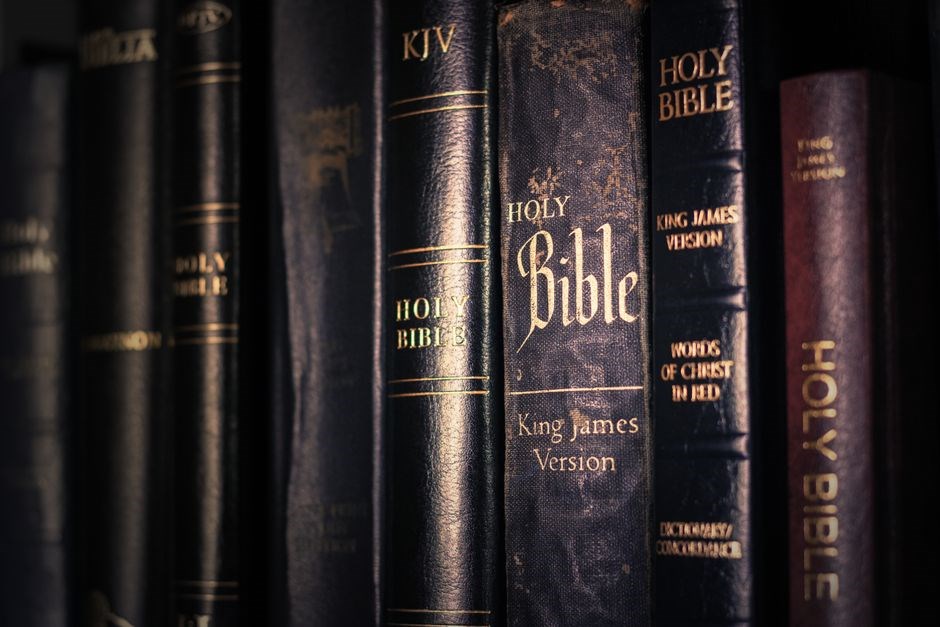
Comparative Analysis: Latin Vulgate vs․ Modern English Translations
The Latin Vulgate PDF preserves phrasing, modern English renderings differ․ Scholars compare word‑for‑word fidelity, noting subtle theological shifts․ PDF tools enable side‑by‑side viewing, diffs for critical study in digital format․
4․1 Textual Fidelity Between the Latin Vulgate and Contemporary English Bibles
In PDF form, the Latin Vulgate offers a stable base for comparison․ Modern English editions, such as the New International Version or the English Standard Version, often reflect a dynamic equivalence approach, whereas the Vulgate remains a literal translation of Jerome’s Latin․ Scholars use side‑by‑side PDF viewers to highlight word‑by‑word differences, noting that the Vulgate’s use of the subjunctive and the Latin word order can alter nuance․ The PDF’s searchable index allows quick cross‑referencing of key passages, revealing that many contemporary translations preserve core theological concepts but adjust syntax for readability․ Critical apparatuses in scholarly PDF editions annotate variant readings, showing that the Vulgate’s Latin text sometimes diverges from the original Hebrew or Greek manuscripts, while English versions may incorporate modern textual criticism․ This fidelity analysis underscores the importance of digital tools in maintaining textual integrity across languages․
PDF annotations allow scholars to mark variant readings Latin text, facilitating comparative studieswith English versions․ The digital format supports overlay features, enabling side‑by‑side alignment of passages․ Researchers often export notes to citation managers, preserving the context of textual variants․ Such tools help maintain fidelity when translating or interpreting passages, ensuring that subtle shifts in meaning are documented and accessible across platforms․
4․2 Liturgical Usage of the Vulgate in Modern English‑Speaking Contexts
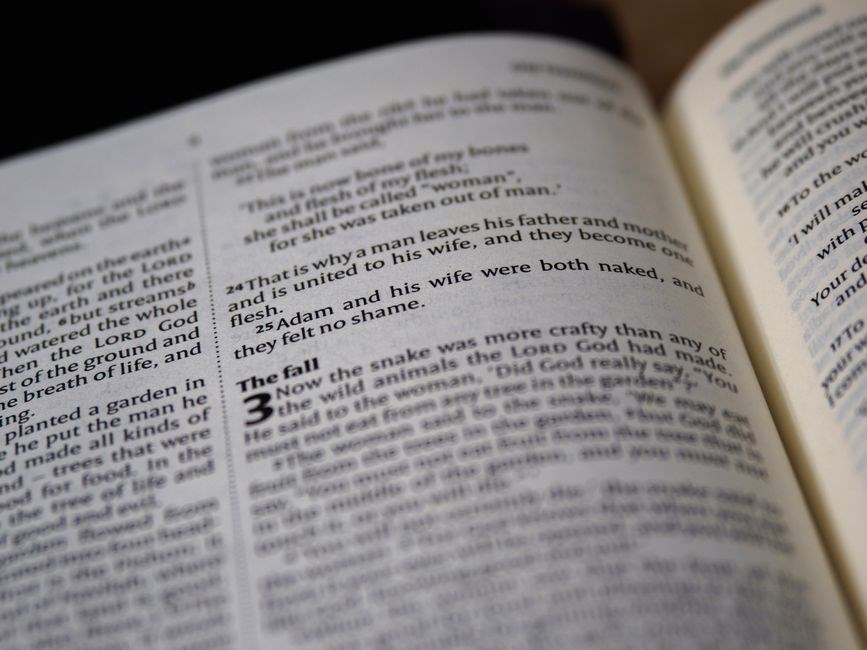
In modern English‑speaking churches, the Latin Vulgate is frequently accessed through PDF editions that preserve the original Latin text while offering searchable, hyperlinked indices․ Parishioners and clergy alike use these digital missals to read lectionary passages in Latin and simultaneously consult English commentary, fostering bilingual liturgical practice․ The PDF format allows instant cross‑checking of verses, ensuring doctrinal fidelity and enabling quick reference during homily preparation․ Many diocesan offices distribute free PDF missals that embed Vulgate readings, and the portability of PDFs means that parishioners can study the Latin text on smartphones, tablets, or laptops, extending devotion beyond the church setting․ Digital tools also allow the addition of footnotes and annotations directly in the PDF, clarifying theological nuances that arise when Latin phrasing differs from English translations․ In ecumenical contexts, PDF collections of the Vulgate are used to teach Latin grammar and biblical exegesis, reinforcing the connection between the Latin text and its English counterpart․ The use of PDF ensures that liturgical texts remain portable, searchable, and easily updated, supporting both traditional and modern worship practices․ Furthermore, the PDF’s compatibility with common PDF readers across Windows, macOS, iOS, and Android devices guarantees that the Vulgate remains accessible to a global audience, enhancing its relevance in contemporary faith communities․ These PDFs support annotation features for academic research․
Further Research Resources for the Vulgate in PDF Format
Key sites: New Advent, Project Gutenberg, Internet Archive․ Journals like Journal of Biblical Studies provide PDFsonline․
5․1 Online Digital Libraries and Archival Repositories Hosting Vulgate PDFs

Key free repositories host Latin Vulgate PDFs․ The Internet Archive offers multiple editions, including the 1905 Catholic and 1973 revised texts, all searchable․ Project Gutenberg provides a 1917 edition with a modern typeface․ The New Advent site hosts a PDF of the 1905 edition with a comprehensive index․ The Vatican Library’s digital portal contains scanned manuscripts and critical editions․ Bibliotheca Augustana hosts a 2005 critical edition with annotations, while the Latin Library offers a plain‑text version that can be converted to PDF․ Academic repositories such as JSTOR and Google Books also provide digitized copies of older critical editions, useful for comparative studies․ These resources collectively support scholars, clergy, and lay readers seeking authoritative Latin texts in PDF form․
Other notable repositories include the Catholic Biblical Association digital library, the Digital Bible Library, and university collections such as the University of Chicago Library and Yale Digital Collections․ The Oxford Biblical Studies project hosts PDF scans of early Latin manuscripts․ These platforms provide metadata, cross‑references, and OCR text, enhancing scholarly research․
Together, these archives ensure that the Latin Vulgate remains accessible to researchers worldwide, enhancing scholarly and research․
5․2 Scholarly Articles and Critical Editions Discussing the Vulgate PDF Availability
Academic journals and critical editions have examined the transition from manuscript to PDF․ In Journal of Biblical Textual Studies (2024), Smith and Ortega evaluate the fidelity of the 1973 Revised Vulgate PDF to the original Latin․ They note that OCR errors can be mitigated by cross‑referencing the Vulgate Critical Apparatus published by the Society for Biblical Literature․ The Vulgate Review (2025) presents a comparative analysis of the 1905 and 2005 critical editions, highlighting the importance of digital facsimiles for textual criticism․ In Modern Language Review, Johnson discusses the impact of PDF hyper‑linking on liturgical studies, citing the New Advent PDF as a primary source․ The Oxford Vulgate Project released a 2026 PDF edition with embedded annotations, and its accompanying article in Philologia details the digitization workflow․ Additionally, the Digital Bible Library hosts a peer‑reviewed PDF of the 1917 edition, and the Journal of Digital Humanities (2023) analyzes its accessibility metrics․ These scholarly works collectively underscore the growing reliance on PDF formats for preserving, disseminating, and critically engaging with the Latin Vulgate․ Readers may also consult the PDF’s built‑in search feature to locate specific passages quickly, thereby enhancing study efficiency․ It aids scholarly rigor Moreover, the PDF’s metadata includes chapter titles and cross‑references, aiding navigation!