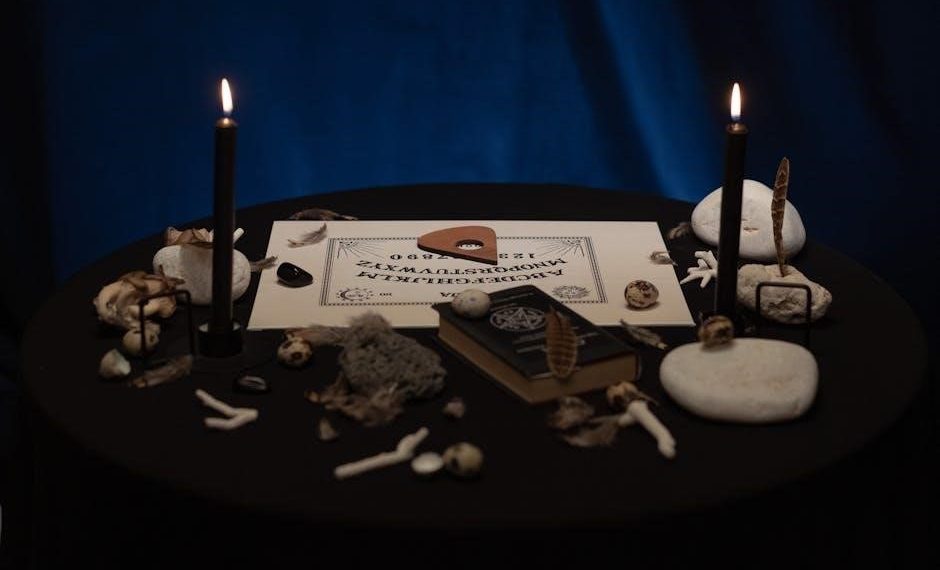
list in a fancy witchcraft guide nyt
Witchcraft guides, often resembling grimoires, historically contain detailed lists of spells and rituals. Recent New York Times crosswords playfully reference these,
asking for a “List in a fancy witchcraft guide?” – the answer being Cursivecurses.
Historical Context of Witchcraft Guides
Historically, the concept of a “list” within a witchcraft guide wasn’t merely an inventory of spells; it was a carefully constructed record of potent knowledge. These early compendiums, precursors to modern guides, often featured spells meticulously transcribed – sometimes in elaborate cursive – reflecting a belief in the power of the written word.
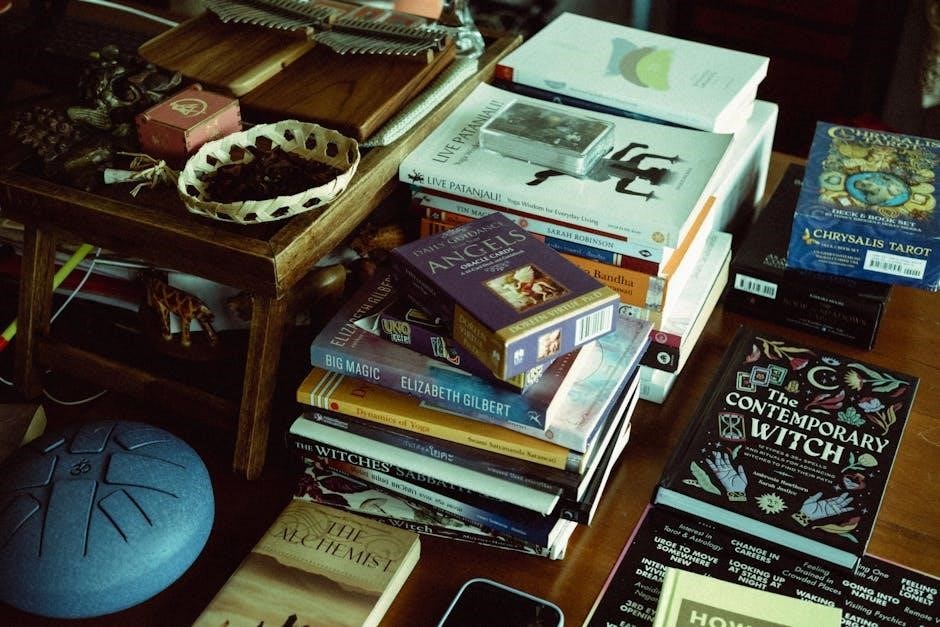
The New York Times crossword clue, “List in a fancy witchcraft guide? : CURSIVECURSES,” subtly acknowledges this tradition. The answer isn’t just about a list, but how it’s presented. The emphasis on cursive suggests a deliberate, artistic approach to spellwork, mirroring practices where calligraphy itself was considered a magical act.
Early grimoires and guides weren’t standardized. Information was passed down orally and then painstakingly recorded, leading to variations in spell lists and ritual instructions. The very act of creating these lists was a ritual in itself, imbued with the practitioner’s intent and energy.
The Rise in Popularity of Modern Witchcraft
The recent surge in modern witchcraft’s popularity has fueled a demand for accessible guides, mirroring a broader spiritual seeking. This renewed interest isn’t solely about spellcasting; it’s about empowerment, connection to nature, and reclaiming ancient traditions. Consequently, the image of the “fancy witchcraft guide” – and the lists within – has entered popular consciousness, even appearing in New York Times crosswords as “Cursivecurses.”
This cultural moment sees witchcraft moving from the fringes to the mainstream, with guides catering to diverse paths and levels of experience. The playful crossword clue reflects this normalization, suggesting a familiarity with the aesthetic and content of these resources.
The accessibility of information, coupled with online communities, has democratized witchcraft, making spell lists and ritual instructions readily available. However, this also necessitates critical evaluation of sources, a point emphasized by many modern practitioners.
Core Components of a Witchcraft Guide
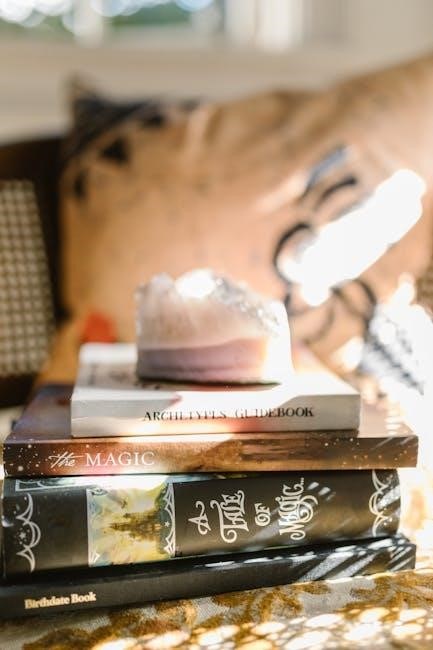
Witchcraft guides fundamentally feature detailed spell lists, often presented elegantly – perhaps even in “cursivecurses,” as hinted by a recent New York Times puzzle.
Spell Lists and Their Organization
Spell lists are central to any comprehensive witchcraft guide, and their organization is crucial for practical use. Traditionally, these lists weren’t simply random collections; they were often categorized by intention – love, protection, healing, prosperity, and so on. The recent New York Times crossword clue, “List in a fancy witchcraft guide?” with the answer Cursivecurses, playfully alludes to the aesthetic presentation often found within these texts.
Historically, spell components were meticulously recorded, sometimes in elaborate calligraphy, suggesting a connection between the act of writing and the spell’s potency. Modern guides may adopt a more streamlined approach, utilizing tables or indexes for easy navigation. However, the core principle remains: a well-organized spell list empowers the practitioner to quickly locate the appropriate ritual for their needs. The “fancy” aspect implied by the crossword suggests an emphasis on presentation and artistry, reflecting the magical intent imbued within the guide itself.
Ritual Instructions and Protocols
Ritual instructions within witchcraft guides extend beyond simple spell lists, detailing the precise steps for enacting magical workings. These protocols often encompass preparation, timing, necessary tools, and specific incantations. The New York Times crossword clue, “List in a fancy witchcraft guide?” answered with Cursivecurses, hints at the detailed, often handwritten nature of these instructions in older texts.
Historically, guides emphasized the importance of creating sacred space and adhering to specific sequences to ensure efficacy. Modern guides may offer variations, acknowledging diverse traditions and personal preferences. However, the underlying principle of focused intention and respectful execution remains constant. The “fancy” element suggests a meticulous attention to detail, reflecting the belief that the ritual’s presentation enhances its power. Guides often include cautions regarding ethical considerations and responsible practice alongside the procedural steps.
Herbology and Correspondences
Witchcraft guides dedicate significant space to herbology, detailing the magical properties of plants and their uses in spells and potions. Beyond simple listings, these guides establish correspondences – linking herbs to planets, deities, colors, and specific intentions. The New York Times clue, “List in a fancy witchcraft guide?” with the answer Cursivecurses, evokes the image of carefully documented botanical knowledge within these texts.
Historically, this knowledge was passed down through oral tradition and meticulously recorded in handwritten grimoires. Guides often include information on safe harvesting, preparation methods, and potential cautions. Correspondences aren’t limited to herbs; they extend to crystals, oils, and even days of the week. Understanding these connections allows practitioners to amplify their magical work, aligning ingredients with desired outcomes. A “fancy” guide implies a comprehensive and beautifully illustrated presentation of this complex system.

Essential Tools Featured in Guides
Witchcraft guides detail tools like candles, daggers, and incense, often with historical roots. The NYT clue, “List in a fancy witchcraft guide?” – Cursivecurses – hints at detailed inventories.
Candles and Their Magical Properties
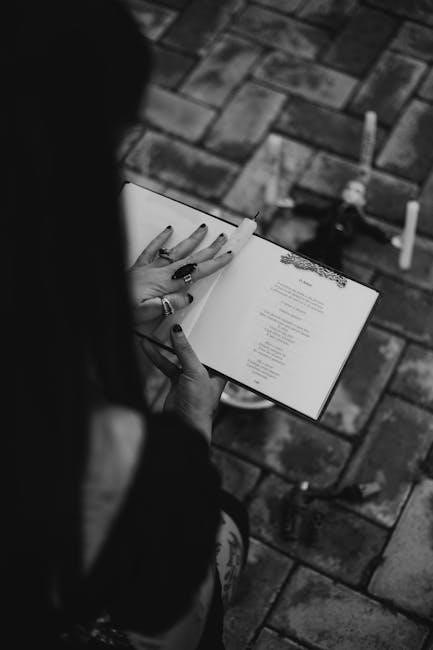
Candles are foundational tools in witchcraft, frequently detailed within comprehensive guides. These aren’t merely sources of light; they embody focused intention and elemental energies. A New York Times crossword clue, playfully asking for a “List in a fancy witchcraft guide?” – answered with Cursivecurses – subtly acknowledges the meticulous nature of these texts, which often catalog candle correspondences.
Guides typically categorize candles by color, each hue resonating with specific magical properties. For example, red candles are associated with passion, courage, and vitality, while blue represents peace, healing, and tranquility. White candles serve as all-purpose substitutes, adaptable to various workings. The selection process, as described in many guides, involves aligning the candle’s color with the desired outcome of a spell or ritual.
Furthermore, guides often explain how to anoint candles with oils, further enhancing their magical potency. The act of carving sigils or intentions into the wax itself is also a common practice, solidifying the witch’s will and directing energy towards a specific goal. The NYT clue’s implication of a “fancy” guide suggests an emphasis on these nuanced details.
Incense and Smudging Techniques
Incense and smudging are integral to creating sacred space, techniques thoroughly outlined in witchcraft guides. The recent New York Times crossword, with its clue “List in a fancy witchcraft guide?” and answer Cursivecurses, hints at the detailed nature of these resources. Guides emphasize that smoke carries intentions to the spirit world, cleansing and purifying energies.
Different herbs and resins possess unique magical properties. Sage is renowned for its cleansing abilities, removing negative energies and promoting clarity. Lavender fosters peace and tranquility, while frankincense enhances spiritual connection. Guides detail how to properly prepare and burn incense, often specifying the best times for different blends.
Smudging, traditionally using white sage, involves wafting smoke around a space or person. Guides instruct practitioners to set clear intentions before smudging, visualizing the desired outcome. The NYT clue’s suggestion of a “fancy” guide implies a focus on these precise methods and the deeper symbolism behind each practice.
Daggers and Athames: Purpose and Use
Daggers and athames, often featured in witchcraft tool lists – reminiscent of the New York Times’ “List in a fancy witchcraft guide?” clue (Cursivecurses) – serve distinct purposes. An athame, typically double-edged, is used to direct energy and is rarely used for physical cutting. It symbolizes the element of Air and is crucial for casting circles and invoking deities.
A dagger, conversely, can be used for practical tasks like cutting herbs or carving candles, as described in accounts of witchcraft stores. Guides emphasize the importance of consecrating these tools, imbuing them with personal energy and intention. This process often involves ritual cleansing and dedication to specific deities or energies.
Detailed guides explain proper handling and storage, stressing respect for these powerful implements. The “fancy” guide implied by the NYT puzzle likely delves into the historical symbolism and intricate rituals surrounding these essential tools, offering nuanced instruction.
Decoding “Cursivecurses” — The NYT Clue
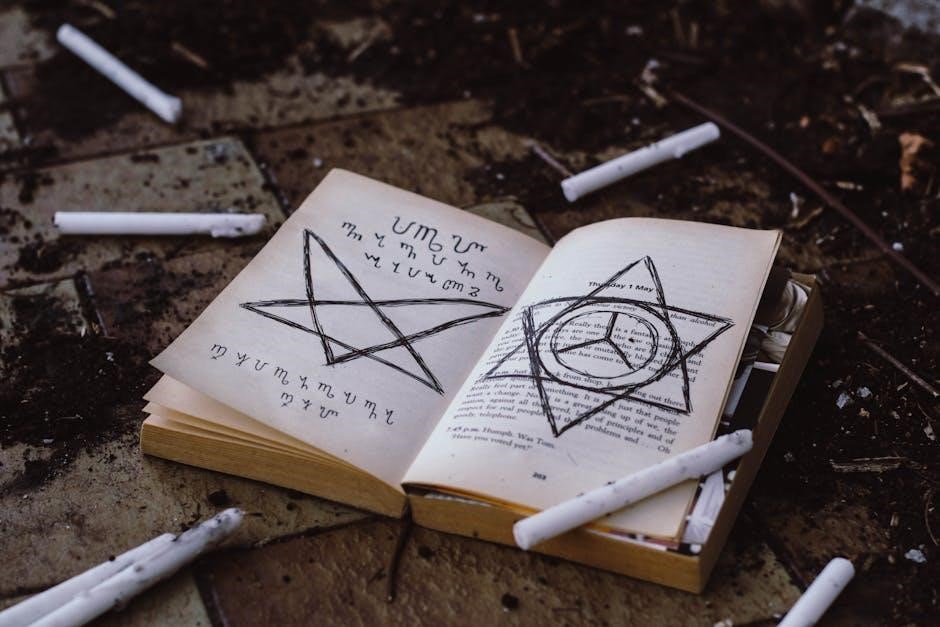
“Cursivecurses”, the New York Times crossword answer, playfully alludes to spell lists within detailed witchcraft guides, often written in elaborate script for focused intent.
The Significance of Written Spells
The act of writing spells, as suggested by the New York Times’ “Cursivecurses” clue, isn’t merely transcription; it’s a core component of magical practice. Historically, and continuing today, meticulously crafted spell lists within witchcraft guides imbue the words with power. This isn’t simply about legibility, but about the focused intention poured into each stroke of the pen.
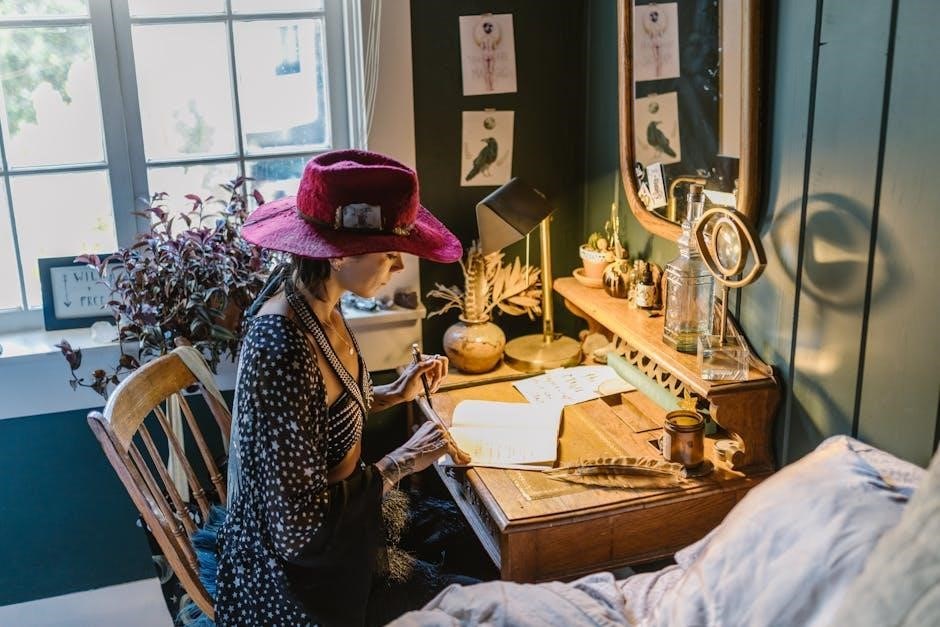
The physical act of writing engages the practitioner, solidifying the desired outcome in their mind and spirit. The careful formation of letters, particularly in cursive, demands concentration and a deliberate channeling of energy. These lists, often found within a witch’s Book of Shadows or a purchased guide, aren’t disposable notes, but sacred records of intention.
The very paper and ink used can also hold significance, adding layers of correspondence to the spell’s overall potency. Therefore, the “fancy” aspect of the NYT clue hints at the artistry and reverence traditionally associated with spellwork documentation.
Calligraphy and Intent in Spellwork
The New York Times’ crossword clue, “List in a fancy witchcraft guide? : Cursivecurses,” highlights a fascinating intersection of artistry and magic. Calligraphy, the art of beautiful writing, elevates spell lists beyond simple notation, transforming them into potent talismans. Each carefully formed loop and flourish isn’t merely aesthetic; it’s a deliberate act of imbuing the spell with focused intention.
Historically, scribes dedicated to magical texts often employed specific scripts believed to hold inherent power. The flow of cursive, unlike rigid block letters, mirrors the natural currents of energy. This fluidity is thought to facilitate the manifestation of the spell’s desired outcome.
A “fancy” guide, as alluded to in the clue, likely emphasizes this artistic element, recognizing that the how of writing is as important as the what. The act itself becomes a ritual, a meditative practice that amplifies the spell’s effectiveness;
Historical Examples of Cursive Spell Lists
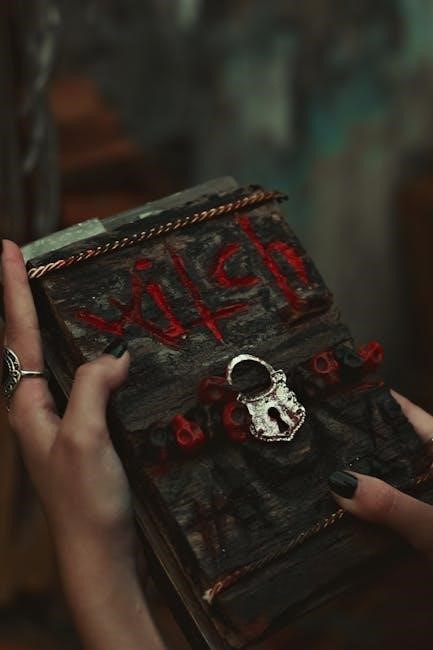
The New York Times’ “Cursivecurses” clue evokes a long tradition of handwritten spellwork. While modern witchcraft often utilizes typed or digital formats, historical grimoires and Books of Shadows overwhelmingly feature cursive script. These weren’t simply practical choices; the act of painstakingly writing each spell was integral to its power.
Medieval and Renaissance grimoires, like the Heptameron or the Picatrix, contain elaborate, flowing cursive lists of invocations, planetary hours, and ingredient correspondences. These texts weren’t mass-produced; they were often copied by hand, each iteration imbued with the scribe’s energy.
Even within more personal spellbooks, cursive dominates. The “fancy” guide referenced in the crossword likely draws inspiration from these historical precedents, emphasizing the beauty and intentionality of handwritten magic. The very form of the writing becomes part of the spell’s design.
Guidebook Structure and Content
Witchcraft guides, like those containing “Cursivecurses,” often prioritize ethics alongside spell lists. They detail responsible practice, deity work, and lunar influences for practitioners.
Sections on Ethics and Responsibility
Witchcraft guides, even those playfully alluded to in a New York Times crossword as containing “Cursivecurses,” increasingly dedicate sections to ethical considerations. These aren’t merely addendums; they form a crucial foundation for responsible practice. Historically, witchcraft faced persecution fueled by misunderstanding, and modern guides emphasize avoiding harm and respecting free will.
A responsible guide will address the potential consequences of spellwork, stressing the importance of intention and consent. It will caution against manipulative magic and highlight the karmic principle of threefold return – the idea that energy sent out will return to the sender. Discussions on cultural appropriation are also vital, urging practitioners to respectfully engage with traditions outside their own lineage.
Furthermore, these sections often cover the legal ramifications of practicing witchcraft, acknowledging that certain acts may be illegal depending on location. Ultimately, a strong ethical framework empowers practitioners to wield magic with wisdom, integrity, and a deep sense of accountability.
Information on Deities and Spirit Work
While a New York Times crossword might playfully hint at “Cursivecurses” within witchcraft guides, many delve deeply into the realm of deities and spirit work. These sections move beyond spell lists, exploring the diverse pantheons and spiritual entities practitioners may choose to connect with. Guides often present information on various gods and goddesses, their associated symbols, and preferred offerings.
However, responsible guides emphasize respectful engagement. They caution against demanding or controlling spirits, advocating for reciprocal relationships built on reverence and understanding. Information on ancestor work, communicating with spirit guides, and navigating the spirit world is frequently included, alongside protective measures and ethical considerations.
The approach varies widely; some guides focus on specific traditions, while others offer a broader overview. Regardless, the core message remains consistent: spirit work is a powerful practice requiring humility, discernment, and a commitment to ethical interaction.
Lunar Cycles and Their Influence on Magic
Even a seemingly simple clue like “List in a fancy witchcraft guide?” – answered with “Cursivecurses” in the New York Times – hints at a deeper system. Traditional witchcraft guides extensively detail the lunar cycles and their profound impact on magical workings. The phases of the moon are believed to amplify specific energies, influencing the success of spells and rituals.
The New Moon is often favored for beginnings and manifesting desires, while the Waxing Moon supports growth and attraction. The Full Moon represents culmination and releasing, and the Waning Moon is ideal for banishing and shadow work. Guides provide detailed charts and correspondences, linking each lunar phase to specific intentions.
Beyond phases, guides also explore the influence of lunar eclipses and void-of-course moons, offering guidance on timing magical operations for optimal results. Understanding these cycles is considered fundamental to effective spellcasting.
The Role of Grimoires in Witchcraft
Grimoires, precursors to modern witchcraft guides, historically contained detailed spell lists – like the “Cursivecurses” playfully referenced in a New York Times puzzle.
Traditional Grimoires vs. Modern Guides
Traditional grimoires, often handwritten and meticulously guarded secrets, differed significantly from today’s readily available witchcraft guides. These ancient texts, like those referenced in the context of the New York Times crossword clue – “List in a fancy witchcraft guide? : CURSIVECURSES” – frequently featured spells penned in elaborate calligraphy, emphasizing intent.
Modern guides, while drawing inspiration from these historical sources, prioritize accessibility and clarity. They often present information in a structured format, with organized spell lists and detailed ritual instructions. The “fancy” aspect alluded to in the crossword suggests the aesthetic presentation found in some guides, mirroring the ornate script of older grimoires.
However, the core function remains: providing a compendium of magical knowledge. While grimoires were often intensely personal and individualized, modern guides aim for broader appeal, offering a starting point for practitioners of all levels. Both, however, acknowledge the power of written spells and the importance of careful execution.
Creating Your Own Book of Shadows
Inspired by the “fancy witchcraft guide” alluded to in the New York Times crossword (“List in a fancy witchcraft guide? : CURSIVECURSES”), crafting a personal Book of Shadows is a deeply individual practice. Unlike standardized guides, your Book becomes a living record of your magical journey, reflecting personal experiences and evolving understanding.
Begin by considering the format – a traditional bound book, or a more modern three-ring binder, like the one described in the New York Times article about a witchcraft store. Include spell lists, ritual notes, herbal correspondences, and any insights gained through practice.
Don’t simply copy from existing sources; personalize each entry. Incorporate calligraphy or sigil work to imbue your spells with intent. Remember, the power lies not just in the words, but in the energy you invest in creating and utilizing your unique magical compendium.
Symbolism and Sigil Magic within Guides
The concept of a “fancy witchcraft guide,” as playfully presented in the New York Times crossword clue (“List in a fancy witchcraft guide? : CURSIVECURSES”), often extends beyond simple spell lists to encompass deeper symbolic systems. Traditional guides, and subsequently personal Books of Shadows, frequently incorporate sigils – magically charged symbols.
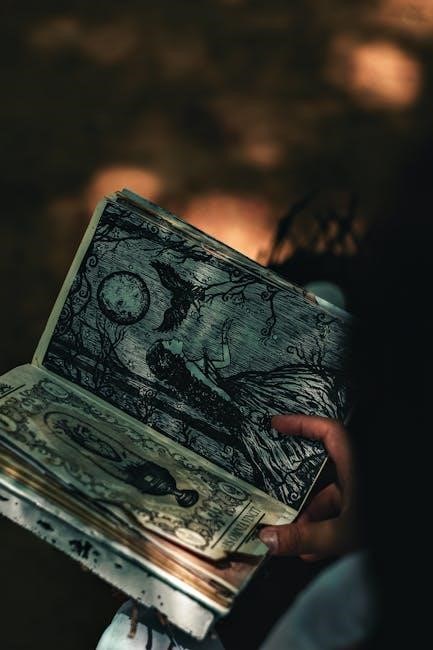
These aren’t merely decorative; they represent condensed intentions, acting as visual keys to unlock specific energies. The New York Times article detailing a witchcraft store mentioned “magickal seals” carved into candles, demonstrating practical application.
Understanding the symbolism inherent in tools – like daggers and athames – and correspondences – such as candle colors – is crucial. Guides often provide frameworks, but true power comes from personalizing these symbols and creating sigils that resonate with your individual magical practice.
Sourcing Information and Avoiding Misinformation
Even “fancy witchcraft guides” – like those hinting at Cursivecurses – require critical evaluation. Cross-reference information and prioritize personal experience to avoid inaccuracies.
Evaluating Authors and Publishers
When considering a witchcraft guide, especially one potentially containing elaborate “Cursivecurses” lists as playfully hinted at in a New York Times crossword, scrutinizing the author’s credentials is paramount. Are they a recognized practitioner with demonstrable experience, or simply repackaging existing knowledge? Look for authors affiliated with established traditions or lineages, and be wary of those making extraordinary claims without supporting evidence.
The publisher also matters. Reputable publishers often employ editorial oversight, ensuring a degree of accuracy and responsible presentation. Self-published works, while potentially valuable, require even greater discernment. Investigate the publisher’s history and reputation. Does it specialize in occult literature, or is it a general-purpose platform? A publisher dedicated to witchcraft is more likely to prioritize quality control and ethical considerations. Remember, even a guide referencing whimsical lists needs a foundation of reliable information.
Cross-Referencing Information
Even within seemingly comprehensive witchcraft guides – perhaps those featuring intricate “Cursivecurses” as playfully alluded to in a New York Times crossword – cross-referencing information is crucial. No single source holds all the answers, and differing perspectives can illuminate nuances often overlooked. Compare spell formulations, herbal correspondences, and ritual protocols across multiple books and reputable online resources.
Look for consistency in core principles. If a guide presents information drastically different from established traditions, investigate further. Consult historical grimoires, academic studies of folklore, and the writings of respected practitioners. Don’t rely solely on modern interpretations. This practice safeguards against misinformation and ensures a well-rounded understanding. Remember, even a whimsical list requires a solid foundation of verified knowledge.
The Importance of Personal Experience
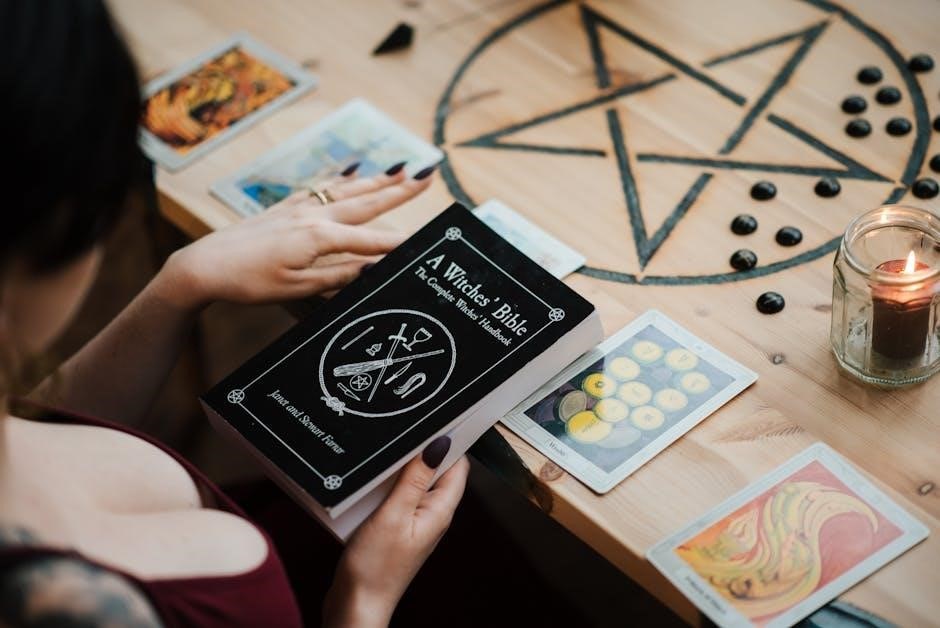
While witchcraft guides, even those containing elaborate “Cursivecurses” as hinted at in a recent New York Times puzzle, offer valuable frameworks, they are merely starting points. True understanding blossoms through personal experience and intuitive connection. Don’t blindly follow instructions; adapt them to resonate with your own energy and intentions.
Experiment with variations, observe the results, and meticulously record your findings. A spell that works wonders for one witch may require adjustments for another. Your personal journey is unique, and your practice should reflect that. The guides provide tools and knowledge, but you are the magic-maker. Trust your instincts, learn from both successes and failures, and cultivate a deeply personal relationship with the craft.