parents guide the walking dead
The Walking Dead: A Parent’s Guide
Navigating The Walking Dead requires careful consideration for younger viewers, as it’s a grim, bloody, and often disturbing zombie drama.
Parents should be aware of the intense violence and mature themes present throughout the series, ensuring appropriate age-appropriateness.
Common Sense Media offers a detailed review and rating to aid in informed decisions.
Understanding the Show’s Core Themes
The Walking Dead, at its heart, transcends the typical zombie genre, delving into profoundly human themes amidst a post-apocalyptic landscape. While the immediate threat is the undead, the series primarily explores the complexities of survival, the breakdown of societal structures, and the enduring power of human connection.
A central theme is the constant negotiation of morality in extreme circumstances. Characters are frequently forced to make difficult choices, blurring the lines between right and wrong as they struggle to protect themselves and their loved ones. This raises questions about what it truly means to be human when faced with unimaginable horrors.
The show also examines the importance of community and leadership. Different groups emerge, each with its own ideologies and methods for survival, highlighting the challenges of rebuilding society and establishing order. Furthermore, The Walking Dead poignantly portrays grief, loss, and the psychological toll of trauma, demonstrating how individuals cope with profound suffering and find meaning in a world irrevocably changed.
Understanding these core themes is crucial for parents, as they provide opportunities for meaningful discussions with children about ethics, resilience, and the value of human life.
Violence and Gore Levels
The Walking Dead is renowned – and often cautioned against – for its exceptionally high levels of violence and graphic gore. The series doesn’t shy away from depicting the brutal realities of a zombie apocalypse, showcasing frequent and explicit scenes of zombie attacks, often involving significant blood and dismemberment.
Beyond the violence inflicted by the walkers themselves, the show also portrays intense human-on-human violence, including shootings, stabbings, and hand-to-hand combat. These scenes are often prolonged and realistically rendered, contributing to the show’s overall disturbing nature. The depiction of injuries is frequently detailed and graphic, showcasing the physical consequences of survival in a hostile world.
Parents should be acutely aware that the violence isn’t merely present for shock value; it’s often integral to the plot and character development. However, its intensity and frequency make it unsuitable for younger or more sensitive viewers. Common Sense Media explicitly notes the series as “awfully bloody,” emphasizing the pervasive nature of the graphic content.

Careful consideration of a child’s maturity level and tolerance for violent imagery is paramount before allowing them to watch.
Graphic Content Details
Beyond the sheer volume of violence, The Walking Dead contains a multitude of graphic content details that parents should be aware of. The show frequently depicts decaying corpses, both in the form of zombies and the aftermath of attacks on humans. These scenes often include realistic depictions of wounds, exposed bones, and bodily fluids, contributing to a disturbing visual experience.
Furthermore, the series doesn’t shy away from portraying the psychological toll of the apocalypse. Characters grapple with trauma, grief, and moral compromises, leading to scenes of intense emotional distress and disturbing behavior. While not explicitly graphic in a visual sense, these moments can be deeply unsettling for sensitive viewers.
Instances of cannibalism, though not constant, do occur within the narrative, adding another layer of disturbing content. The show also explores themes of survival at any cost, leading to morally ambiguous actions and their graphic consequences. Common Sense Media highlights the series’ mature themes and intense nature, cautioning parents about the potential impact on younger audiences.
The overall effect is a relentlessly bleak and often harrowing portrayal of a world consumed by chaos and despair.
Psychological Impact on Viewers
The Walking Dead’s relentlessly grim atmosphere and constant exposure to violence can have a significant psychological impact on viewers, particularly younger or more sensitive individuals. The show’s exploration of death, loss, and the breakdown of societal norms can evoke feelings of anxiety, fear, and helplessness.
The constant threat of danger and the depiction of characters facing extreme trauma can be emotionally draining, potentially leading to increased stress levels and nightmares. Witnessing graphic violence, even within a fictional context, can desensitize viewers and potentially normalize aggressive behavior.
Furthermore, the show’s focus on moral ambiguity and difficult choices can raise complex ethical questions that may be challenging for some viewers to process. The psychological toll extends beyond immediate reactions, potentially influencing long-term perspectives on safety, trust, and human nature.
Parents should be mindful of their children’s emotional responses and be prepared to discuss the show’s themes and their potential impact. Open communication and a supportive environment are crucial for mitigating any negative psychological effects.
Age Appropriateness Considerations
Determining the age appropriateness of The Walking Dead is crucial, given its mature themes and graphic content. Generally, the show is not recommended for children under the age of 17, and even then, parental guidance is strongly advised.
The intense violence, gore, and disturbing imagery are unsuitable for younger viewers who may struggle to differentiate between fantasy and reality. Adolescents, while potentially better equipped to handle the show’s complexities, may still be susceptible to anxiety and emotional distress.
Consider your child’s individual maturity level, emotional resilience, and prior exposure to similar content. A child who is easily frightened or prone to nightmares should likely avoid the series altogether.

Common Sense Media rates the show as appropriate for ages 17+, highlighting the significant levels of violence and mature themes. Parents should carefully evaluate whether their teenager is prepared to engage with such challenging material and be willing to discuss it openly.
Common Sense Media Rating & Review
Common Sense Media provides a comprehensive review of The Walking Dead, offering valuable insights for parents. As of March 25, 2026, their rating indicates the show is best suited for ages 17 and up, due to its intense and disturbing content.
The review emphasizes the show’s “grim zombie drama” nature, acknowledging its artistic merit while simultaneously cautioning about the “awfully bloody” violence. It details the presence of frequent and graphic depictions of zombie attacks, human-on-human violence, and unsettling imagery.

Common Sense Media highlights the mature themes explored, including death, loss, survival, and the breakdown of societal norms. These themes can be emotionally challenging for younger viewers and require thoughtful discussion.
The review also notes the show’s potential to provoke anxiety and nightmares, particularly in sensitive individuals. Parents are encouraged to preview episodes and engage in open communication with their children about the content they are consuming.
Access the full review and rating at Common Sense Media’s website for a detailed assessment.
The Show’s Depiction of Death and Loss
The Walking Dead relentlessly confronts viewers with the realities of death and loss, forming a central pillar of its narrative. Death isn’t presented as a quick or clean event; it’s often brutal, prolonged, and graphically depicted, impacting both main characters and those within their communities.
The show doesn’t shy away from showcasing the emotional fallout of loss. Characters grapple with grief, trauma, and the moral compromises necessary for survival in a world overrun by the undead. This constant exposure to mortality can be profoundly disturbing, particularly for younger or more sensitive audiences.
Loss extends beyond physical death, encompassing the loss of innocence, societal structures, and the familiar comforts of civilization. Characters frequently face impossible choices, leading to the loss of hope and faith in humanity.
Parents should be prepared to discuss these themes with their children, providing context and support. The show’s depiction of death is not sensationalized, but rather serves as a catalyst for exploring complex emotional and ethical questions.
Understanding this core element is crucial for assessing the show’s suitability for individual viewers.
Moral and Ethical Dilemmas Presented
The Walking Dead consistently throws its characters – and by extension, its audience – into incredibly difficult moral and ethical situations. Survival in a post-apocalyptic world necessitates choices that would be unthinkable in normal circumstances, blurring the lines between right and wrong.
The show frequently explores themes of utilitarianism versus individual rights, forcing characters to decide whether the needs of the many outweigh the needs of the few. Sacrifices are commonplace, and the consequences of those sacrifices are often devastating.
Questions of justice, revenge, and the preservation of humanity are central to the narrative. Characters grapple with the morality of killing walkers, as well as other survivors, and the justifications for their actions are constantly challenged.
Parents should anticipate the need to discuss these complex issues with their children. The show doesn’t offer easy answers, and it encourages viewers to consider different perspectives.
These dilemmas provide opportunities for meaningful conversations about values, empathy, and the nature of good and evil.
Character Development and Relationships
One of the strengths of The Walking Dead lies in its complex and evolving characters. Initially presented with familiar archetypes, individuals are profoundly shaped by the relentless challenges of the apocalypse, undergoing significant transformations throughout the series.
Relationships are central to the narrative, serving as both sources of strength and vulnerability. Bonds between family members, friends, and romantic partners are tested repeatedly, often with tragic consequences. The show realistically portrays the difficulties of maintaining trust and intimacy in a world defined by constant threat.
Characters grapple with grief, loss, and the psychological toll of survival, leading to internal conflicts and shifts in their moral compasses. These changes are often gradual and nuanced, making the characters feel relatable despite the extraordinary circumstances.
Parents should be aware that the show explores mature themes within these relationships, including betrayal, infidelity, and the complexities of love and loss. Discussing these dynamics with children can foster empathy and critical thinking.
The depth of character development adds emotional weight to the story, making the stakes feel incredibly high.
Discussion Points for Parents and Children
After viewing episodes of The Walking Dead, engaging in open conversations with children is crucial. Discuss the characters’ difficult choices and the ethical dilemmas they face in a world without traditional rules or law enforcement. Explore the concept of survival and what lengths people might go to protect themselves and their loved ones.
Talk about the importance of community and cooperation, and how these values are tested within the show’s narrative. Analyze the consequences of violence and the emotional toll it takes on individuals. Consider the show’s portrayal of grief, loss, and the different ways characters cope with trauma.
Encourage children to articulate their feelings about the disturbing imagery and intense scenes. Validate their reactions and provide a safe space for them to express their anxieties. Discuss the difference between fantasy and reality, emphasizing that the events depicted in the show are not representative of everyday life.
Explore themes of morality and the gray areas of right and wrong. Ask questions like, “What would you do in that situation?” and “Was that character’s decision justified?”
Potential for Nightmares and Anxiety
The Walking Dead’s graphic violence, intense suspense, and disturbing imagery carry a significant potential to induce nightmares and anxiety, particularly in younger or more sensitive viewers. The constant threat of death, the gruesome depictions of zombies, and the emotionally charged scenes can be deeply unsettling.
Children may experience difficulty sleeping, increased fearfulness, or intrusive thoughts after watching episodes. Anxiety can manifest as restlessness, irritability, or difficulty concentrating. It’s important to be aware of these potential effects and proactively address them.
Parents should monitor their children for signs of distress and provide reassurance. Creating a calming bedtime routine, avoiding screen time before bed, and offering a comforting presence can help mitigate anxiety. Discussing fears openly and validating their feelings is essential.
If nightmares or anxiety persist, consider limiting exposure to the show or seeking guidance from a child psychologist or mental health professional. Remember that every child reacts differently, and parental sensitivity is key.
Managing Exposure to Disturbing Imagery
Given the intensely graphic nature of The Walking Dead, proactively managing exposure to disturbing imagery is crucial for protecting children’s emotional well-being. Parents should utilize available tools and strategies to minimize potentially harmful content.
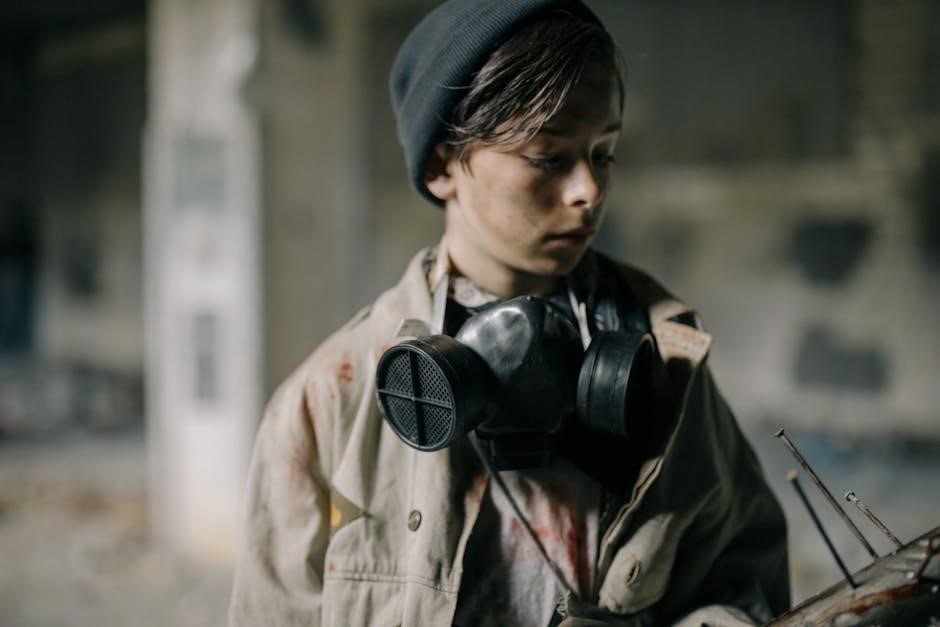
Consider watching episodes in advance to identify particularly graphic scenes and fast-forward through them when viewing with children. Utilize parental control features on streaming platforms or cable boxes to restrict access to certain episodes or set time limits. Open communication is vital; discuss the difference between fantasy and reality, emphasizing that the violence depicted is not representative of the real world.
Encourage children to look away or leave the room during scenes they find upsetting. Create a safe space for them to express their feelings without judgment. After viewing, engage in conversations about the show, focusing on themes of survival, community, and morality rather than dwelling on the gore.
Remember, shielding children entirely may not always be possible or desirable, but mindful management can significantly reduce the potential for negative impacts.
Alternatives to The Walking Dead
For families seeking thrilling narratives without the extreme gore of The Walking Dead, numerous alternatives offer compelling storylines and engaging characters. Exploring these options can provide entertainment suitable for a wider range of ages and sensitivities.
Consider science fiction adventures like Stranger Things, which blends mystery, suspense, and supernatural elements with a focus on friendship and courage. Animated series such as Avatar: The Last Airbender present complex themes of war, peace, and responsibility in a visually stunning and emotionally resonant format. For younger viewers, shows like The Owl House offer fantasy adventures with strong character development and positive messages.
Family-friendly action-adventure series like Lost in Space provide thrilling escapism without relying on excessive violence. Exploring these alternatives allows parents to offer their children exciting entertainment while maintaining control over the content they consume. Common Sense Media provides reviews and age ratings for these and many other shows, aiding in informed selection.
Parental Control Options & Resources
Effectively managing children’s exposure to potentially disturbing content like The Walking Dead requires utilizing available parental control options and resources. Streaming services and cable providers offer features to restrict access based on age ratings, allowing parents to block specific shows or set viewing limits.
Common Sense Media provides comprehensive guides on setting parental controls across various platforms, including Roblox, Disney+, and Netflix. These resources detail step-by-step instructions for customizing settings to align with family values and individual child’s maturity level. Utilizing website blocking software can further restrict access to inappropriate online content related to the show.
Open communication is crucial; discussing the show’s themes and potential impact with children fosters critical thinking and emotional resilience. Regularly reviewing viewing habits and adjusting controls as needed ensures ongoing protection. Resources like Common Sense Media’s articles on raising a reader and carpool conversations offer valuable insights into media literacy and family discussions.
Impact of the Zombie Apocalypse Setting
The zombie apocalypse setting in The Walking Dead isn’t merely a backdrop for horror; it profoundly impacts the show’s themes and the challenges faced by characters. This extreme scenario strips away societal norms, forcing individuals to confront fundamental questions of morality, survival, and the value of human life.
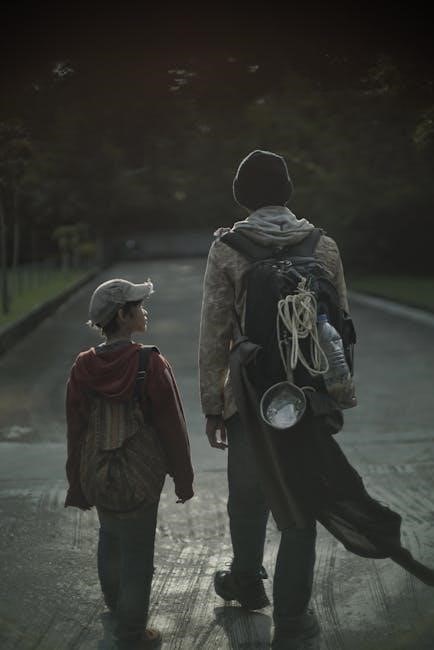
The constant threat of death and loss creates a pervasive atmosphere of anxiety and despair, which can be particularly unsettling for younger viewers. The breakdown of law and order leads to difficult ethical dilemmas, where characters must make agonizing choices with far-reaching consequences. This exploration of human behavior under duress can be thought-provoking, but also emotionally taxing.
Parents should be prepared to discuss the show’s depiction of societal collapse and its implications. The setting highlights the importance of community, resilience, and the fragility of civilization, offering opportunities for meaningful conversations about values and responsibility.