essential oils blending chart pdf
Essential Oils Blending Chart PDF: A Comprehensive Guide
Discover a detailed PDF resource for essential oil blending, covering aromatherapy, dilution ratios, safety, and over 50 blend recipes for various needs.
Essential oil blending is an ancient practice, evolving into a sophisticated art and science, harnessing the synergistic power of botanical extracts. This comprehensive guide delves into crafting harmonious blends, moving beyond single oil use to unlock enhanced therapeutic benefits. Whether a novice or experienced user, understanding blending principles is key.
A blending chart PDF serves as an invaluable tool, offering a structured approach to combining oils for specific purposes – from stress relief and improved sleep to creating personalized perfumes. It’s about more than just pleasant scents; it’s about carefully considering each oil’s properties and how they interact. This guide will empower you to confidently create effective and enjoyable blends.
Understanding Essential Oil Notes
Essential oils are categorized into three primary notes – Top, Middle, and Base – based on their volatility and scent characteristics, crucial for balanced blending. A blending chart PDF often highlights this classification. Top notes are the first perceived scents, fresh and light, but evaporate quickly. Middle notes form the heart of the blend, providing body and balance, lasting longer.
Base notes are rich and grounding, offering longevity and depth to the overall aroma. Understanding these notes allows for creating well-rounded blends with a harmonious scent profile, ensuring a pleasing and effective aromatherapy experience. Mastering this concept is fundamental to successful essential oil blending.
Top Notes: Characteristics and Examples
Top notes in essential oil blending are characterized by their light, fresh, and often citrusy or herbaceous aromas. A comprehensive blending chart PDF will detail these volatile oils. They are the first scents you perceive, creating an initial impression, but dissipate quickly, typically within the first 30 minutes.
Examples include lemon, grapefruit, bergamot, orange, peppermint, and eucalyptus. These oils are uplifting and invigorating, but due to their fleeting nature, they require balancing with middle and base notes for a lasting fragrance. They ‘lift’ heavier oils, contributing to a brighter overall blend.
Middle Notes: Characteristics and Examples
Middle notes, often referred to as “heart notes,” form the core of an essential oil blend, as detailed in a helpful blending chart PDF. They emerge after the top notes fade and provide body and balance to the fragrance. These oils possess a rounded, warming aroma and last longer, typically between 20 minutes and an hour.
Examples include lavender, chamomile, geranium, rosemary, and ylang-ylang. They help to bridge the gap between the fleeting top notes and the grounding base notes, creating a harmonious and well-rounded scent profile. They contribute significantly to the therapeutic properties of the blend.
Base Notes: Characteristics and Examples
Base notes, as outlined in an essential oils blending chart PDF, are the foundation of any blend, providing depth and longevity. They emerge slowly, after the top and middle notes have dissipated, and linger for several hours, offering a lasting impression. These oils are typically heavy, rich, and grounding in aroma.
Examples include sandalwood, cedarwood, frankincense, patchouli, and vanilla. They act as fixatives, helping to bind the other notes together and slow down evaporation. Base notes contribute significantly to the overall therapeutic effect, offering calming and stabilizing properties;
Essential Oil Blending Ratios & Dilution
Essential oil blending charts PDF emphasize the importance of proper dilution for safe and effective use. Dilution involves combining essential oils with carrier oils to reduce their potency and prevent skin sensitivity; Ratios vary depending on age and application method.
A general guideline suggests a 1-3% dilution for adults, while children require significantly lower concentrations. A chart will detail drops per milliliter for roller bottles and larger volumes. Common carrier oils include jojoba, sweet almond, and grapeseed oil, each offering unique benefits.
Dilution Ratios for Adults
Essential oils blending chart PDFs typically recommend a 1-3% dilution for adult topical applications. A 1% dilution equates to approximately 6 drops of essential oil per 30ml (1oz) of carrier oil – ideal for sensitive skin or long-term use. A 2% dilution, or 12 drops per 30ml, is suitable for general wellness purposes.
For more targeted concerns, a 3% dilution (18 drops per 30ml) can be used cautiously. Always perform a patch test before widespread application. Charts often provide convenient drop calculators for various carrier oil volumes, ensuring accurate and safe blending.
Dilution Ratios for Children
Essential oils blending chart PDFs emphasize significantly lower dilutions for children due to their increased sensitivity. For babies (6 months – 2 years), a 0.5% dilution (approximately 3 drops per 30ml of carrier oil) is generally recommended. Toddlers (2-6 years) benefit from a 1% dilution (6 drops per 30ml).
School-aged children (6-12 years) can typically tolerate a 1.5% dilution (9 drops per 30ml), while older children (12+ years) may use a 2% dilution. Charts often highlight the importance of using gentler oils and avoiding certain oils altogether for young children, prioritizing safety above all else;
Carrier Oils for Dilution
Essential oils blending chart PDFs consistently recommend various carrier oils to safely dilute essential oils for topical application. Popular choices include jojoba oil, known for its similarity to skin’s natural sebum, and sweet almond oil, a versatile and nourishing option. Fractionated coconut oil is favored for its lightweight texture and long shelf life.
Other beneficial carriers are grapeseed oil, apricot kernel oil, and olive oil. Charts often detail each oil’s properties, absorption rate, and suitability for different skin types, ensuring optimal dilution and minimizing potential sensitivities. Always choose high-quality, cold-pressed carrier oils.
Popular Essential Oil Blend Recipes
Essential oils blending chart PDFs frequently showcase a diverse range of recipes catering to various wellness goals. You’ll find blends categorized for aromatherapy, perfume creation, and specific needs like sleep and relaxation. Common recipes include lavender and chamomile for stress relief, or peppermint and rosemary for focus.
Charts often feature over 50 recipes, organized by name and purpose. These blends provide a starting point for experimentation, allowing users to customize based on preference. Discover blends for uplifting moods, easing headaches, or boosting immunity, all conveniently outlined within these comprehensive guides.
Aromatherapy Blends for Stress Relief
Essential oils blending chart PDFs commonly highlight blends designed to alleviate stress and promote relaxation. Lavender is a cornerstone, often paired with chamomile, bergamot, or ylang-ylang for synergistic effects. These blends aim to calm the nervous system and reduce feelings of anxiety.
Recipes frequently suggest diffusion, topical application (with a carrier oil), or even bath additions. Charts detail drop counts for each oil, ensuring proper dilution and safety. Expect to find combinations targeting emotional balance and a sense of well-being, offering natural alternatives for stress management.
Essential Oil Perfume Blends
Essential oil blending chart PDFs dedicate sections to crafting personalized perfumes, moving beyond simple aromatherapy. These charts categorize oils by “notes” – top, middle, and base – guiding users to build complex, layered fragrances. Floral oils like rose and jasmine are popular middle notes, while sandalwood and vanilla often form the base.
Recipes provide drop-by-drop instructions, emphasizing the importance of blending factors to achieve balance. Charts often suggest carrier oils like jojoba or fractionated coconut oil for skin application. Creating a unique scent profile becomes achievable, offering a natural alternative to commercial perfumes.
Blends for Sleep and Relaxation
Essential oil blending chart PDFs frequently feature blends designed to promote restful sleep and reduce anxiety. Lavender is a cornerstone ingredient, often paired with chamomile, marjoram, and vetiver for synergistic effects. These charts detail specific drop counts for each oil, considering blending factors for a harmonious aroma.
Recipes suggest diffusion methods, roller bottle applications (with appropriate dilution ratios for adults and children), or bath additions. The charts emphasize safety, advising against internal use and cautioning about potential sensitivities. These blends offer a natural pathway to tranquility and improved sleep quality.
Essential Oil Brand Comparison
Essential oil blending chart PDFs often include comparative analyses of popular brands like DoTerra, Young Living, and Rocky Mountain Oils. These comparisons assess oil purity, sourcing practices, and pricing structures, aiding consumers in making informed choices. Charts highlight each brand’s commitment to quality control and testing procedures, like GC/MS reports.
Information details each company’s unique approach to sustainability and ethical harvesting. Users can leverage these charts to determine which brand aligns best with their values and budgetary constraints, ensuring they receive authentic, therapeutic-grade essential oils for optimal blending results.
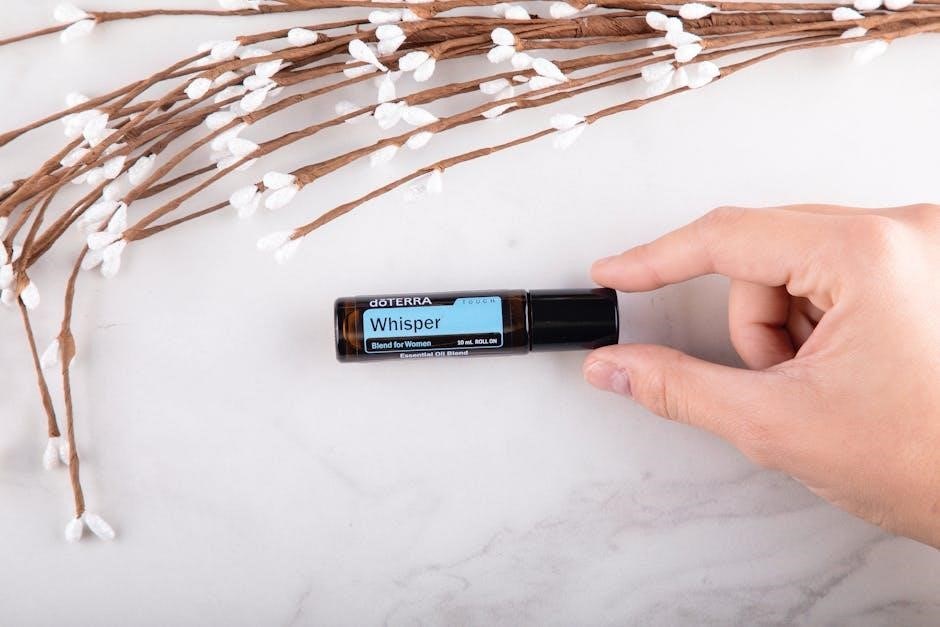
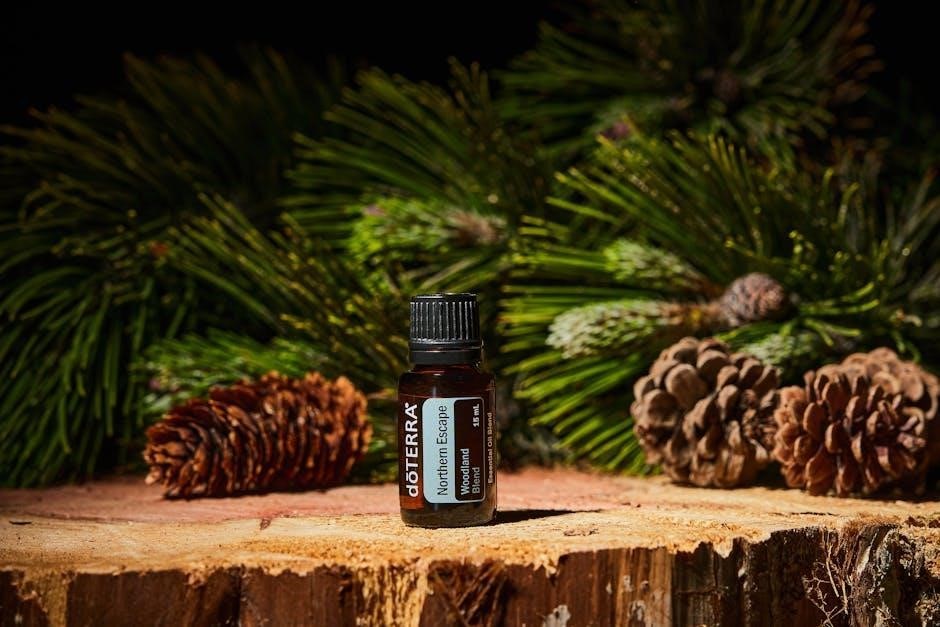
DoTerra Essential Oils
DoTerra consistently appears in essential oil blending chart PDFs as a leading brand known for its Certified Pure Therapeutic Grade (CPTG) standard. This rigorous testing process ensures exceptional oil quality and purity, vital for effective aromatherapy blends. Charts often detail DoTerra’s extensive range of single oils and pre-made blends, catering to diverse needs.
Information within these charts highlights DoTerra’s commitment to sourcing oils ethically and sustainably through its Co-Impact Sourcing initiative. Consumers can find details on specific oil origins and the positive impact on local communities, making DoTerra a popular choice for conscious consumers.
Young Living Essential Oils
Young Living frequently features in essential oil blending chart PDFs as a pioneer in the essential oil industry, emphasizing its Seed to Seal process. This comprehensive quality control system covers every stage, from cultivating the plants to distilling and bottling the oils, ensuring a high-quality final product. Charts often showcase Young Living’s broad selection of single oils and popular blends.
Comparisons within these charts often highlight Young Living’s focus on therapeutic grade oils and its extensive educational resources for users. Information details their commitment to sustainable farming practices and empowering growers worldwide, appealing to environmentally conscious consumers seeking reliable oils.
Rocky Mountain Oils
Rocky Mountain Oils consistently appears in essential oil blending chart PDFs as a provider of high-quality, affordable oils, often positioned as a strong alternative to larger brands. Charts frequently detail their commitment to rigorous testing, including GC/MS reports available for each batch, ensuring purity and potency. This transparency appeals to informed consumers seeking detailed product information.
Comparisons often showcase Rocky Mountain Oils’ diverse catalog, including both single oils and pre-made blends, alongside competitive pricing. These charts highlight their dedication to providing unadulterated oils and a focus on customer education, making them a popular choice for both beginners and experienced users.
Safety Guidelines for Essential Oil Use
Essential oil blending chart PDFs universally emphasize safety as paramount. They detail crucial guidelines for topical application, stressing the necessity of proper dilution with carrier oils to avoid skin sensitivity or irritation. Internal use is often cautioned against, with charts highlighting potential toxicity and interactions with medications, advising consultation with a healthcare professional.
Aromatic diffusion safety is also addressed, recommending limited exposure times and adequate ventilation. Charts frequently warn against using certain oils around children, pets, or pregnant women. Understanding these guidelines, readily available within comprehensive blending guides, is vital for responsible and beneficial essential oil use.
Topical Application Safety
Essential oil blending chart PDFs consistently prioritize safe topical use. They emphasize that undiluted application can cause skin irritation, sensitization, or allergic reactions. Dilution with appropriate carrier oils – like jojoba, almond, or grapeseed – is non-negotiable, with charts providing specific ratios for adults and children.
Patch testing is frequently recommended before widespread application, to check for individual sensitivities. Charts also caution against sun exposure after applying photosensitive oils (citrus oils, for example). Proper dilution and awareness of potential reactions, detailed in these guides, are key to enjoying the benefits of topical essential oil use safely.
Internal Use Considerations
Essential oil blending chart PDFs often address internal use, but with significant caution. Many experts and resources strongly advise against internal consumption due to potential toxicity and lack of standardized regulation. If a chart does mention internal use, it will emphasize the necessity of guidance from a qualified aromatherapist or healthcare professional.
Dilution is paramount, even more so than topical application, and only therapeutic-grade oils should be considered. Charts will highlight potential interactions with medications and pre-existing health conditions, stressing the importance of informed decision-making and professional oversight before any internal application.
Aromatic Diffusion Safety
Essential oil blending chart PDFs dedicate sections to safe diffusion practices. Prolonged exposure, even to natural scents, can cause sensitization or adverse reactions. Charts recommend intermittent diffusion – 30-60 minutes on, then a break – to prevent olfactory fatigue and minimize potential issues.
Considerations include room ventilation, pet safety (some oils are toxic to animals), and the presence of individuals with respiratory sensitivities or allergies. Charts often advise against diffusing near infants or pregnant women without professional guidance, emphasizing responsible aromatic use for optimal wellbeing.
Blending Factors & Usage Rates
Essential oil blending chart PDFs frequently incorporate blending factor numbers, a crucial aspect of harmonious formulations. These numbers, ranging from 1 to 8, dictate the maximum percentage of an oil usable in a blend; lower numbers signify stronger scents requiring minimal quantity.
Understanding these factors prevents overpowering blends and ensures balanced aromatherapy benefits. Charts categorize oils by these factors, guiding users toward appropriate proportions. For instance, oils with high blending factors (7-8) can comprise a larger percentage, while those with low factors (1-2) demand careful, sparing application.
Understanding Blending Factor Numbers
Blending factor numbers, a key component of essential oil blending chart PDFs, represent an oil’s potency and impact within a mixture. These numbers, typically ranging from 1 to 8, aren’t about scent strength, but rather how much an oil can dominate a blend.
A lower number (1 or 2) indicates a powerful oil needing minimal usage – even a few drops can significantly alter the aroma. Conversely, higher numbers (7 or 8) suggest milder oils allowing for greater inclusion. Charts utilizing these factors empower blenders to create balanced, harmonious scents, avoiding overpowering or unbalanced formulations.
Essential Oils with Low Blending Factors
Essential oil blending chart PDFs frequently highlight oils with low blending factors (1-3) as potent ingredients demanding careful usage. Examples include Cinnamon Bark, Clove Bud, and Oregano – these oils possess strong aromas and therapeutic properties, requiring minimal drops in a blend.
Overuse can lead to skin irritation or an overwhelmingly powerful scent. These oils are best utilized as accent notes, adding depth and complexity rather than forming the base of a fragrance. Understanding these factors, as detailed in comprehensive charts, is crucial for safe and effective aromatherapy.
Essential Oils with High Blending Factors
Essential oil blending chart PDFs often showcase oils with high blending factors (6-8), indicating their gentler nature and suitability for larger proportions within a blend. Lavender, Roman Chamomile, and Sweet Orange are prime examples, offering versatile aromas and therapeutic benefits.
These oils serve as excellent base notes or blending agents, harmonizing stronger scents and creating well-rounded compositions. Their lower potency minimizes the risk of irritation, making them ideal for beginners or sensitive skin. Charts provide guidance on maximizing their use, ensuring balanced and enjoyable aromatherapy experiences.
Essential Oil Diffusers: A Guide
Essential oil blending chart PDFs frequently include a section dedicated to diffusers, recognizing their popularity for aromatherapy. These guides detail various types – ultrasonic, nebulizing, and evaporative – explaining their mechanisms and benefits. Diffusers effectively disperse essential oil molecules into the air, promoting relaxation, focus, or invigoration.
Charts often suggest specific diffuser blend recipes tailored to different needs, like stress relief or sleep enhancement. Understanding diffuser usage is crucial for maximizing therapeutic effects and creating a pleasant aromatic environment. Proper cleaning and maintenance are also highlighted for optimal performance.

Types of Essential Oil Diffusers
Essential oil blending chart PDFs commonly categorize diffusers into several types. Ultrasonic diffusers utilize water and vibrations to create a fine mist, offering humidifying benefits alongside aromatherapy. Nebulizing diffusers, considered more potent, disperse pure essential oil without water, preserving therapeutic properties. Evaporative diffusers, like reed diffusers, rely on natural evaporation, providing a subtle aroma.
Heat diffusers, while less common, use gentle heat. Charts often compare these types based on cost, coverage area, and oil dilution. Selecting the right diffuser depends on individual preferences and desired aromatherapy intensity.
Benefits of Using Diffusers
Essential oil blending chart PDFs highlight numerous diffuser benefits. Aromatherapy is a primary advantage, impacting mood, stress levels, and sleep quality. Diffusers offer a natural way to scent spaces, avoiding synthetic fragrances. They can support respiratory health, particularly with oils like eucalyptus.
Improved sleep, reduced anxiety, and enhanced focus are frequently cited benefits. Charts often detail which oils address specific concerns. Diffusers provide a convenient, passive aromatherapy experience, making essential oils accessible for daily wellness routines.
Diffuser Blend Recipes
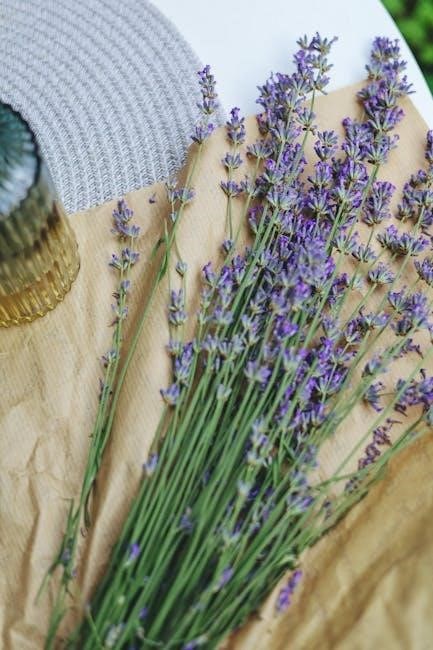
Essential oil blending chart PDFs frequently include diffuser recipes for targeted benefits. For stress relief, try lavender, chamomile, and bergamot. To promote sleep, blend lavender, cedarwood, and vetiver. An energizing blend might combine lemon, peppermint, and rosemary.
Respiratory support can be achieved with eucalyptus, tea tree, and lemon. Charts often suggest drop counts for each oil, ensuring balanced aromas. Experimentation is encouraged, but always adhere to dilution guidelines. These recipes offer a starting point for creating personalized aromatic experiences.
Packaging and Standards for Essential Oils
Essential oil blending chart PDFs often touch upon quality control, referencing standards like ISO 447:1984 for machine tools – surprisingly relevant as it denotes documentation requirements. General packaging should protect oils from light and air, typically using dark glass bottles. Proper labeling is crucial, detailing botanical name, country of origin, and extraction method.
Authenticity is paramount; charts may advise verifying GC/MS reports. Reputable suppliers adhere to strict packaging guidelines, ensuring oil integrity. Understanding these standards helps consumers identify high-quality essential oils and avoid adulterated products.
ISO 447:1984 Standards
Essential oil blending chart PDFs may surprisingly reference ISO 447:1984, a standard originally for documentation of machine tools. While seemingly unrelated, it highlights the importance of detailed records – crucial for tracing essential oil origins and quality control. This standard emphasizes comprehensive descriptions and usage guidelines, mirroring the information found within detailed blending charts.
Applying this principle to essential oils means meticulous documentation of botanical source, extraction method, and testing results. It ensures transparency and accountability, allowing consumers to verify product authenticity and quality, as often suggested by comprehensive blending guides.
General Packaging Requirements
Essential oil blending chart PDFs often don’t directly detail packaging, but quality charts implicitly demand appropriate containers. Dark glass bottles are standard, protecting oils from light degradation – a key factor in maintaining potency. Airtight seals are crucial to prevent oxidation and evaporation, preserving the aromatic compounds detailed within blending recipes.
Proper labeling is also essential, including botanical name, chemotype (if known), and extraction method. Charts emphasize purity; packaging must reflect this with tamper-evident seals and clear warnings regarding potential allergens or sensitivities. Secure packaging ensures the integrity of the oils, aligning with the guidance found in comprehensive blending resources.
Resources for Further Learning
Beyond essential oil blending chart PDFs, numerous resources deepen understanding. Websites like the National Association for Holistic Aromatherapy (NAHA) offer extensive information on safe and effective use. Books dedicated to aromatherapy and blending provide in-depth knowledge of individual oils and synergistic combinations, complementing chart-based learning.
Online courses and workshops, often led by certified aromatherapists, offer hands-on experience. Reputable essential oil brand websites (DoTerra, Young Living, Rocky Mountain Oils) frequently host educational content. Remember to critically evaluate sources, prioritizing those grounded in scientific research and safety guidelines, enhancing your blending expertise.